
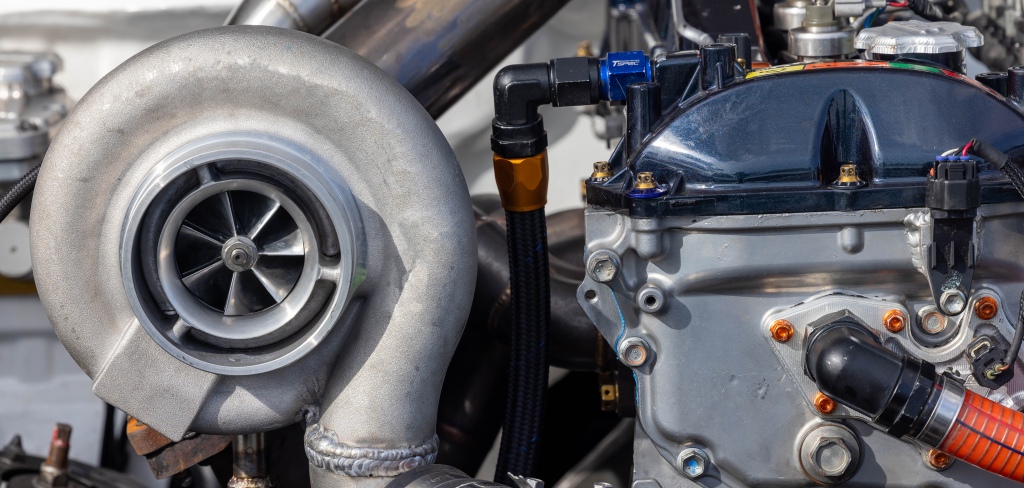
Your turbocharger is critical to maximizing your diesel engine power and efficiency. It pumps compressed air into your engine, enabling more efficient burning and more power while pulling heavy loads. But if your turbocharger does fail, you will not only lose power, but also risk engine damage and costly downtime.
Most causes of turbocharger failure in semitrucks:
- Inadequate oil supply through clogged or low-maintenance oil lines
- Overheating due to over-stressing of the engine beyond its capacity
- Bearing wear due to dirty oil
- Damage due to debris in the air intake
- High-mileage running is normal wear and tear
Noticing the signs of a blown turbo in the early stages will save you thousands of dollars in repair and also save your engine from further damage. A dirty turbocharger may infect your intercooler system with oil, ruin backing components, and create a chain reaction of mechanical failures.
In this step-by-step tutorial, we will talk about the clear indications of turbo failure, illustrate how to figure out if your turbo is blown through simple inspection techniques, and outline the overall impact on your engine’s performance. For general maintenance or attempting to troubleshoot performance issues, these kinds of diagnostic processes will help you identify issues in early stages before they turn into costly failures.
Signs and Symptoms of a Blown Turbo
Detecting blown turbo problems before they occur will save you thousands of dollars in repairs and avoid expensive engine damage. Your truck will provide certain warning signs once turbo damage has already started.
Watch for Oil Leaks
Oil leaks around the intercooler are perhaps the most apparent initial sign of a turbo problem. If you find oil dripping on intercooler clamps or leaking out of joints, your seals on the turbo are blown. Such intercooler contamination by oil results from compromised turbo seals, which allow engine oil to flow into the air intake system.
Inspect for Additional Symptoms
Visual inspection reveals additional symptoms of failing turbos. Check for loose or damaged clamps that may indicate excessive pressure from oil leakage. Watch for oil staining patterns that trace back to the turbo housing, as these patterns help pinpoint the exact location of seal failures.
How to Perform a Basic Turbo Inspection
Getting hands-on with your turbo play check doesn’t require specialized tools or extensive mechanical knowledge. You can perform this essential diesel repair assessment right in your own shop or maintenance bay.
Accessing the Turbo for Inspection:
- Remove the air filter housing – This component sits directly in front of the turbo and must be dismounted to gain proper access
- Locate the front mounting bolts – These secure the housing and need to be removed completely
- Clear the inspection area – Ensure you have adequate lighting and workspace around the turbo assembly
Performing the Shaft Play Test:
The critical part of any semitruck repair turbo inspection involves checking shaft movement by hand:
Side-to-side movement: Gently grip the turbo shaft and check for lateral play
In-and-out movement: Test the shaft’s axial movement along its length
Normal tolerance: Some play is expected and acceptable in healthy turbos
Critical Warning Signs:
When the turbo shaft makes contact with the housing, there is nothing else to do but change it. Metal-to-metal contact means severe wear that will only become more extreme with each operation. Even when the shaft spins freely, scraping or grinding contact points have your turbo out of commission.
Inspecting this takes mere minutes but can prevent catastrophic engine damage and expensive downtime.
Effect of Turbo Failure on Engine Performance and Allocated Components
As your turbo begins to fail, the ripple effects reach far beyond simple loss of power. A busted turbo makes a chain reaction of issues that can easily lead to costly semitruck repair work if nothing is done about it.
1. Major Concern: Oil Consumption
Oil consumption becomes a major concern as damaged turbo seals allow engine oil to leak into the intercooler system. You’ll notice your truck consuming significantly more oil – sometimes requiring two gallons or more during routine checks. This oil doesn’t just disappear; it coats internal components and can be seen accumulating around clamps and intercooler connections.
2. Additional Problems Created by Leaked Oil
The leaked oil creates additional problems throughout your engine bay:
Power delivery suffers as oil-contaminated air reduces combustion efficiency
Intercooler performance drops when oil buildup restricts airflow
Oil residue spreads to surrounding components, creating maintenance headaches
3. Stress on Other Critical Systems
Continued operation with a damaged turbo puts stress on other critical systems. The alternator belt becomes particularly vulnerable, as oil contamination and increased engine stress can cause premature wear. When alternator belts fail, they create additional strain on the radiator fan hub system.
4. Potential Radiator Fan Hub Failure
Failure of the radiator fan hub is often a follow-up to turbo problems, especially in models like the D16. The interconnected structure of such systems means that failing turbos can generate cascading failures, for which competent diesel repair work is needed. Understanding how to recognize if your turbo has blown sooner prevents these costly secondary failures from accumulating.
Preventative Maintenance Tips to Avoid Turbo Damage
Maintaining your turbo begins with creating a stringent regimen maintenance schedule that finds problems before they turn into a costly repair.
Weekly Inspection Checklist
Your weekly truck checks should always include these critical turbo-related items:
Oil level monitoring – Check engine oil levels religiously, as a quickly blown turbo can consume oil (they added 2 gallons in one instance)
Intercooler inspection – Look for oil around clamps and connections, which serves as an early warning system
Visual leak detection – Scan for oil residue on the intercooler housing and surrounding components
Belt and Alternator System Maintenance
It might be surprising to see how interconnected your truck’s systems really are. A failing alternator created belt debris that contributed to the turbo problems. Your diesel repair routine should include:
- Belt condition assessment – Remove and inspect belts for fraying, cracking, or debris buildup
- Alternator performance checks – Listen for unusual noises and test charging capacity
- Tensioner evaluation – Ensure proper belt tension to prevent premature wear
Regular attention to these components prevents the cascade effect where one failing part damages others. The mechanics showed how a bad alternator led to belt deterioration, which then affected multiple systems. This type of semitruck repair issue is completely preventable with consistent monitoring and early intervention.
Why Choose I-55 Truck and Trailer Repair for Turbo Issues?
When you’re dealing with a blown turbo, you need technicians who understand the intricate relationship between turbochargers and your engine’s overall performance. Our team at I-55 Truck and Trailer Repair brings extensive experience in diesel repair and semitruck repair, specializing in complex turbo diagnostics that go beyond surface-level inspections.
Our comprehensive approach includes:
- Advanced diagnostic equipment that pinpoints turbo shaft play tolerances with precision
- Thorough intercooler system evaluation to identify oil contamination patterns
- Complete assessment of related components like alternators, belts, and fan hubs that can contribute to turbo failure
Our blown turbo diagnosis process examines every aspect – from checking shaft movement to identifying oil leaks around clamps and intercoolers. We know a faulty turbo impacts several systems, which is why our technicians inspect the whole drivetrain when doing the repair.
With the latest equipment for heavy truck repairs, we reduce your downtime and deliver precise repairs. Our diagnostic tools enable us to diagnose turbo problems before they become expensive engine damage, helping you preserve your investment and stay mobile.
Choose I-55 Truck and Trailer Repair
Seeing the turbo blow signs ahead of time will save you from losing thousands of dollars’ worth of engine damage and hundreds of hours of your semitruck’s lost time. The easy inspection procedures shown here – inspecting oil leak under intercooler clamps, inspecting shaft play, and oil consumption checks – are rudimentary skills every owner of a truck should learn.
The instant you witness these symptoms, prompt action is required. Ongoing running on a faulty turbo results in accumulated breakdowns in your alternator, fan hub, and radiator, and eventually, further down the road, your whole engine system. A failed turbo quick fix can become a full engine rebuild if not taken care of.
At I-55 Truck and Trailer Repair, our skilled technicians have extensive knowledge of the intricacies of diesel repair service and semitruck repair. Our experienced technicians offer accurate diagnoses to examine your turbo closely and provide quality repairs that extend truck life.
Your company does not need to be taken out of commission by a broken turbo. Call our experienced technicians at (870) 635-4003 for expert evaluation and high-quality repairs that get you back on the road safely and with minimal downtime.