
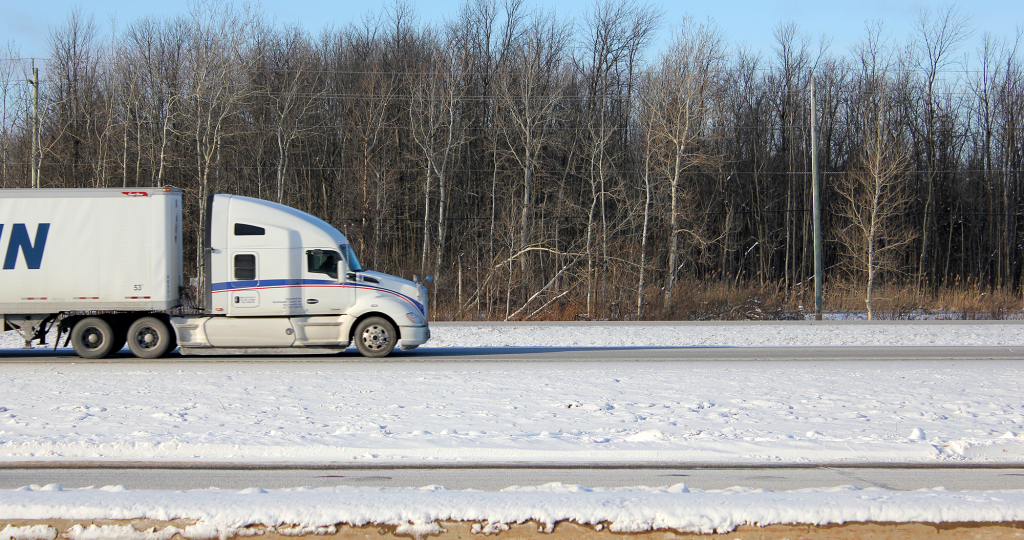
Every year it happens. The forecast dips, the mornings get sharp, and suddenly we start hearing the same story from drivers and fleet owners. Trailer brakes are dragging. Valves are acting weird. A trailer that was fine yesterday is now stuck, or slow to release, or just not building air as it should.
A lot of that starts with one boring thing most people do not want to think about. Moisture in the air system.
At I-55 Truck and Trailer Repair, we winterize trailer air brake systems before the real cold shows up, because once moisture freezes inside a valve or line, you are not “winterizing” anymore. You are roadside troubleshooting. And that is the expensive version.
So let us walk you through a simple, practical way we winterize trailer brakes to help prevent stuck brakes, frozen valves, and air system headaches. It is not complicated. It just needs a little time and doing it in the right order.
Why winterizing trailer air brakes matters in the first place?
Your trailer air system is supposed to be air. Clean air. But in real life, air systems end up with moisture. Sometimes it is tiny, just a little foggy spit out of the tank drain. Sometimes it is enough to look like actual water.
That moisture can sit in the trailer air tank, move through valves, and hang out in low spots in the plumbing. When temperatures drop, that moisture can freeze. Once it freezes, it can block passages in the brake valve, interfere with the relay, keep a gladhand from flowing properly, and in the worst cases, it can contribute to brakes not releasing as they should.
And if the trailer needs air to run the brake system and suspension bags, that frozen moisture can turn into a whole chain reaction.
So our goal is simple. We drain out whatever moisture is in the tank, then we run a small amount of air brake antifreeze through the system, and then we drain again to get rid of residue and anything the antifreeze carried along with it.
What we use (and what we do not overthink)
We use air brake antifreeze. No special magic brand required. Any air brake antifreeze made for this job works fine. We keep a brand we like on hand, but the bigger point is using the right product for air brake systems and using a reasonable amount.
You do not need to dump half a bottle into the system. If you did not have much moisture to begin with, a few drops and a couple of flushes can be plenty.
Step 1: Build air first so you can hear and see what is going on
Before we even touch the trailer tank drain, we like to start the truck and build a little air pressure. Not because we need full pressure for the drain, but because when we start cycling the system later, you want enough air available that you can actually hear leaks, confirm airflow, and push antifreeze through without guessing.
Once the truck is aired up enough to work with, then we move to the trailer.
Step 2: Drain the trailer’s air tank and check for moisture
Under the trailer, you will find the air tank drain petcock. On most setups, turning it counterclockwise opens it. We open it up and let the tank purge.
We are watching for moisture. Sometimes you will see a mist. Sometimes you will see a little discoloration. Sometimes it spits out a bit wet at first and then goes dry.
If we get a little moisture, that is pretty normal. If we get actual water, we take it seriously because that means the system has been collecting moisture for a while, and winter weather is going to find it fast.
After draining, we close the petcock back up.
One quick note. Moisture in the air tank is not just “a tank problem.” That tank is part of the brake system air supply. If water makes it downstream into a brake valve and freezes, you can end up with a trailer that does not behave right when you need it most.
Step 3: Add a small amount of air brake antifreeze through the red gladhand
Once the tank is drained and the petcock is closed, we add antifreeze into the system through the red gladhand. We are not pouring. We are putting in a few drops.
The idea is to let the air carry that antifreeze through the trailer air system so it can help deal with any remaining moisture that is sitting in valves and passages.
After the antifreeze goes in, we reconnect everything like normal, start the truck, and air the trailer back up.
Step 4: Charge the trailer system and make sure air is moving through it
With the truck running, we let air go into the trailer system. You can usually hear it. Air rushing in, tank filling, suspension bags coming up.
Then we release trailer air so the system is actually flowing and charging properly. This part matters because if you just add antifreeze and never cycle anything, it is not doing much besides sitting near the gladhand.
Once it is aired up and we are confident it ran through the system, we pull the red handle to dump the trailer supply and get ready to drain again.
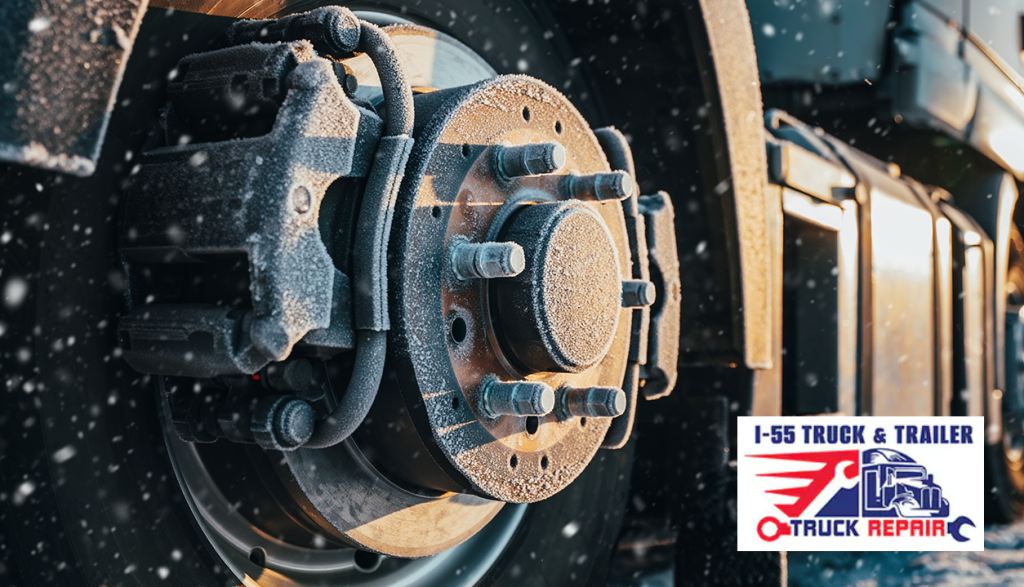
Step 5: Drain again and look at what comes out
Now we go back to the trailer, air tank, petcock, and drain it again.
This is where you often see it. Maybe a little discoloration. Maybe a hint of moisture you did not see the first time. Sometimes you can tell there is moisture because what comes out does not look perfectly clean and dry.
If we see moisture, we do not panic. We just flushed again. The whole process is quick, and repeating it a couple of times is normal.
We will do that cycle again. Small amount of antifreeze, air it up, dump air, drain tank.
Step 6: Do the same idea on the service side (blue gladhand) and purge the brake valve
After the supply side, we also like to put a small amount into the blue gladhand as well, because the service side is part of what makes the brakes apply and release normally. If moisture is hanging out on that side, cold weather can still cause trouble.
Then we air it up again and bleed or purge the brake system.
One of the cleanest ways to do that is to have another tech step on the truck brake pedal while we listen and watch what comes out at the brake valve purge. When you do that, you are forcing air movement through the service circuit and pushing out anything that should not be there.
If moisture is going to show itself, you may see it at that moment. If antifreeze is moving through as it should, you may catch that too.
Most of the time, if the system was not full of water to begin with, you will not see much coming out. That is good. That means you are ahead of the cold.
Step 7: Final drain so you are not leaving extra antifreeze sitting in the tank
The last thing we do is a final drain of the trailer tank to check for any leftover residue and to make sure we are not leaving excess antifreeze pooled in the tank.
Usually, you will see a tiny bit of moisture or residue, then it clears out. Once it is draining clean, we close the petcock and call it done.
That is it. It really is a short job. Ten minutes in a lot of cases, maybe a little longer if you are flushing multiple times or if the system has more moisture than expected.
A couple of practical tips we follow in the shop
This process is simple, and it is, but the details matter. These are the habits we stick to because they save headaches later.
- We do not wait until it is already freezing outside. Winterizing is cheaper and easier when the moisture is still liquid.
- We use a small amount of antifreeze and cycle the system, instead of dumping a lot in once and hoping.
- We always drain at the end. The point is to remove moisture and leave the system in a clean state, not to store a bunch of chemicals in the tank all winter.
And if we see a lot of water coming out of the tank, we start asking why. Air dryers, maintenance intervals, and how often tanks are drained all come into play. Winterizing helps, but a neglected air system will still find a way to cause problems.
FAQ
How do I know if my trailer needs winterizing?
If you drain the trailer air tank and see any moisture, especially more than a light mist, it is worth winterizing before temperatures drop. If you have had slow brake release, sticking, or air system odd behavior in cold mornings, that is another clue.
What happens if moisture freezes in the air brake system?
It can freeze inside valves or lines and restrict airflow. That can lead to brakes that do not apply correctly, do not release correctly, or a trailer that will not build or hold air as it should.
Can I use any brand of air brake antifreeze?
Yes. We have found that any proper air brake antifreeze works fine. The key is using the right product made for air brake systems and using a reasonable amount.
Do I put antifreeze in the red gladhand or the blue gladhand?
We typically start with the red gladhand to run it through the supply side, then we also add a small amount on the blue gladhand and purge the service side so the antifreeze can move through more of the brake system.
How much air brake antifreeze should I use?
If you did not see much moisture, a few drops can be enough when you cycle and drain the system a couple of times. If you had more moisture, you may need additional flushes, but we still avoid overfilling the system with antifreeze.
How long does it take to winterize a trailer air system?
If everything is accessible and the system is in decent shape, it can take around 10 minutes. If we are flushing multiple times or chasing excessive moisture, it can take longer.
Should I drain the trailer’s air tank even if I winterize it?
Yes. Draining the tank is part of winterizing. We drain first to see what is in there, and we drain again at the end to remove residue and anything the antifreeze helped loosen up.
Wrap up: get it done now, not on the side of the road later.
Winterizing trailer brakes is one of those small maintenance steps that feels easy to skip, right up until you are dealing with a stuck trailer or frozen air problem on a cold morning. We would rather spend a few minutes draining the tank, running a little air brake antifreeze, cycling the system, and purging the valves now, while it is controlled and calm.
If you want us to winterize your trailer air brake system or you are already seeing signs of moisture or sticking, call I-55 Truck and Trailer Repair in Crawfordsville, AR, at (870) 635-4003, and we will get you handled before the temps drop.