Blogs
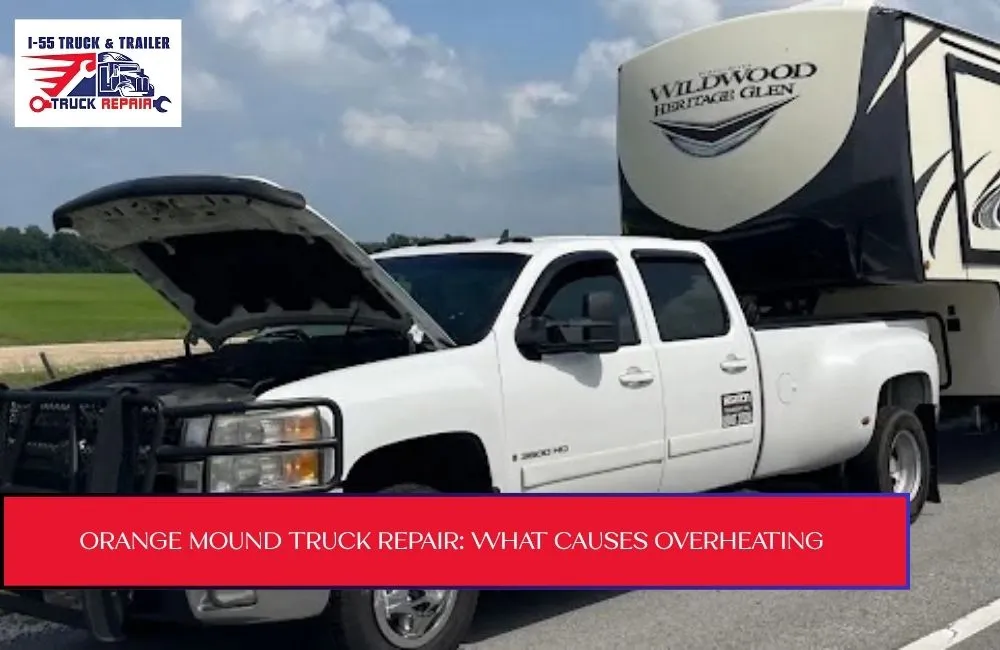
Orange Mound Truck Repair: What Causes Overheating
An overheating truck can change an ordinary day into an expensive interruption. The temperature gauge rises, a warning appears, and suddenly the next delivery matters less than finding somewhere safe to stop. For owners driving around Orange Mound, the cause may be a small coolant leak or a cooling-system fault that becomes noticeable only under demanding conditions.
Effective Truck Repair starts by finding why the engine cannot control its temperature. Adding coolant may temporarily change the reading, but it does not repair a leak, restore fan operation, or clear restricted airflow. The goal is to correct the cause before excess heat damages other components.
This guide explains common causes, what different overheating patterns can reveal, and how owners can provide useful information without attempting unsafe repairs.
What the Cooling System Must Do
The cooling system carries heat away from the engine and releases it through the radiator. Coolant circulation, airflow, temperature regulation, and system pressure all contribute to that process.
A truck may operate normally while moving steadily, then run hot during repeated stops around Park Avenue or Lamar Avenue. Another may stay cool in local traffic but overheat while pulling a load toward I-240. These patterns help direct testing, although neither proves that a particular component has failed.
Hot Memphis weather increases cooling demand. It should not become an explanation for repeated overheating without inspection. A problem that appears only during summer may expose a system already struggling with leakage, reduced airflow, or poor circulation.
Low Coolant Usually Raises Another Question
When coolant is low, the important question is where it went. A loose connection, cracked reservoir, damaged hose, radiator leak, or pump seal may allow coolant to escape. Some leaks appear only when the engine is warm and the system is pressurized.
A truck does not need to leave a large puddle for coolant loss to matter. Dried residue, an unfamiliar sweet smell, or repeated top-ups can justify further inspection. The absence of a visible leak also does not rule out an internal problem.
Check coolant level only as the vehicle manual directs, with the system appropriately cooled. Never loosen a hot pressure cap. Freightliner warns that releasing pressure before cooling can cause scalding coolant to surge out.
Restricted Airflow Can Defeat a Healthy Radiator
A radiator depends on air passing through its cooling surfaces. Dirt, debris, damaged fins, or buildup between stacked heat exchangers can reduce that airflow. The visible front surface may look acceptable while contamination remains farther inside the cooling stack.
This can become more noticeable when outside temperatures rise or engine load increases. The system has less capacity to release additional heat, even though coolant level appears correct.
Cleaning requires the right method. Aggressive pressure washing can damage delicate fins or force debris deeper into the assembly. A technician should inspect access, component condition, and the manufacturer’s cleaning guidance.
When contacting a Truck Repair Shop, mention whether the truck recently worked in dusty conditions or whether overheating developed gradually. That history can help focus the initial inspection.
Fan Problems Often Appear at Lower Speeds
At road speed, forward movement helps supply air through the radiator. During slow travel and idling, the cooling fan becomes especially important. Poor fan operation may therefore produce a complaint that seems tied to traffic.
Depending on the truck, the fault may involve a fan clutch, electrical control, air supply, wiring, or a temperature input. Damaged shrouding or other airflow components can also matter.
Tell the technician whether the temperature rises while waiting and falls once the truck moves. That is a useful clue, but it does not confirm a fan failure by itself.
Keep hands, clothing, and tools away from fan assemblies. Fans can engage unexpectedly. Observing the temperature pattern from the cab is safer than trying to check fan operation beside a running engine.
Thermostats and Pumps Affect Coolant Movement
The thermostat regulates coolant flow as the engine warms. A thermostat that does not operate correctly can interfere with temperature control. The water pump circulates coolant, and a pump or drive problem may reduce that circulation.
Hoses also belong in this investigation. A deteriorated or restricted hose can affect flow even when no external leak is obvious. Replacing a thermostat without checking the wider system can leave the original complaint unresolved.
Diagnosis should use the correct procedures and specifications for the engine. There is no universal temperature reading that identifies every failed thermostat or pump.
If overheating began after cooling-system work, report that timing. Incorrect filling, trapped air, or an installation issue may need investigation alongside the possibility of a separate fault.
Coolant Type and Condition Matter
Coolant does more than prevent freezing. Its formulation helps manage heat and protect internal surfaces. Using an unsuitable product or maintaining an incorrect concentration can compromise those functions.
Do not select coolant by color alone. Different products may look similar while meeting different specifications. Follow the requirements for your engine and cooling system.
Cummins explains that coolant chemistry supports corrosion protection and deposit prevention, while repeated water-only top-ups dilute the protective additive package. Its discussion of coolant management also emphasizes matching the formulation to the engine application.
A service record showing the coolant used, replacement date, and subsequent additions helps the technician evaluate condition. A reservoir that looks full cannot confirm that its contents are suitable.
A Pressure-Cap Fault Can Be Overlooked
The cooling-system cap helps maintain the specified pressure and manages pressure changes as the system heats and cools. A damaged seal or incorrect cap can affect operation.
Freightliner’s maintenance guidance calls for testing the cap and checking its sealing components. It also cautions that an incorrectly rated replacement can adversely affect cooling-system performance and engine temperature.
This is a reason to test before approving larger repairs. It is not a reason to replace the cap randomly. The correct rating and application matter, and cap testing should accompany an assessment of the rest of the system.
Overheating Without an Obvious External Leak
Persistent coolant loss, unusual exhaust, fluid contamination, or abnormal pressure behavior can prompt testing for an internal leak. Depending on the engine, the investigation may include the cylinder head, head gasket, or coolant-connected components.
These symptoms do not independently prove that the engine needs rebuilding. Testing should establish where the fault lies before major work is recommended.
A temperature sensor or circuit problem can also produce an inaccurate reading. However, never assume a warning is false because the engine sounds normal. Treat it seriously until appropriate checks establish whether the temperature information is reliable.
When searching for Truck Repair Near me, describe the warning and any accompanying coolant loss or exhaust changes.
Respond Safely and Verify the Repair
If temperature keeps climbing, steam appears, or a stop-engine warning activates, reach a safe stopping location and follow the truck’s shutdown instructions. Do not rely on continued driving to cool the engine.
Mobile Truck Repair may allow an initial assessment where the truck is safely parked. Severe leakage, suspected internal damage, or unsuitable roadside access may require recovery and shop facilities.
When choosing a Truck Repair Shop Near Me, ask how the cause will be confirmed and how temperature control will be checked afterward. Verification should reflect the original complaint, whether it occurred during idling, loaded travel, or warm-up.
Contact I-55 Truck and Trailer Repair
For cooling-system inspections, diagnostics, maintenance, or 24/7 roadside assistance serving Orange Mound.
I-55 Truck and Trailer Repair
7468 I-55, Crawfordsville, AR 72327, United States
+1 (870) 635-4003

I-55 Truck & Trailer Repair is a trusted truck and trailer repair shop on I-55 in Crawfordsville AR, with 25 years of experience serving drivers and fleets across Memphis & West Memphis. Our ASE certified mechanics handle diesel repair, trailer repair, and 24/7 roadside service to get you back on the road fast.


Copyright © 2026 I-55 Truck and Trailer Repair, All Rights Reserved. | Powered By Truck Service Marketing