When your truck is in need of repair, time is money. The timeliness of returning your vehicle to the road is greatly influenced by a single factor: diesel parts availability.
Recent changes in the industry have presented special challenges in acquiring necessary components for truck repair. Whether from emissions-related products or lifeblood engine parts, backorders on these components can have your truck sitting in the shop longer than required.
Here at I-55 Truck & Trailer Repair, we’ve witnessed firsthand the impact that parts availability can have on repair time. Breaks in supply chains, manufacturer demand, and inventory issues all play significant roles in defining how quickly your truck will be back on the road.
Knowledge of these issues – and how to fix them – can be a great help in keeping your truck out of the repair shop. So let’s talk about why some diesel components might extend your repair time and what can be done about it.
Issues Faced in the Truck Repair Business
The repair industry for trucks is presently operating under extreme hardship due to a shortage of drivers, mostly caused by that shortage. That driver shortage has been estimated at around 80,000 drivers and is affecting the maintenance industry as a whole on a large scale. Repair shops are therefore finding it difficult to provide sufficient personnel to undertake repairs on an expeditious basis.
Vulnerabilities Exposed by Current Challenges
Before the pandemic, supply chain logistics didn’t receive much attention. However, the challenges we’re facing now have revealed critical weaknesses in the system:
1. Reduced Warehouse Capacity
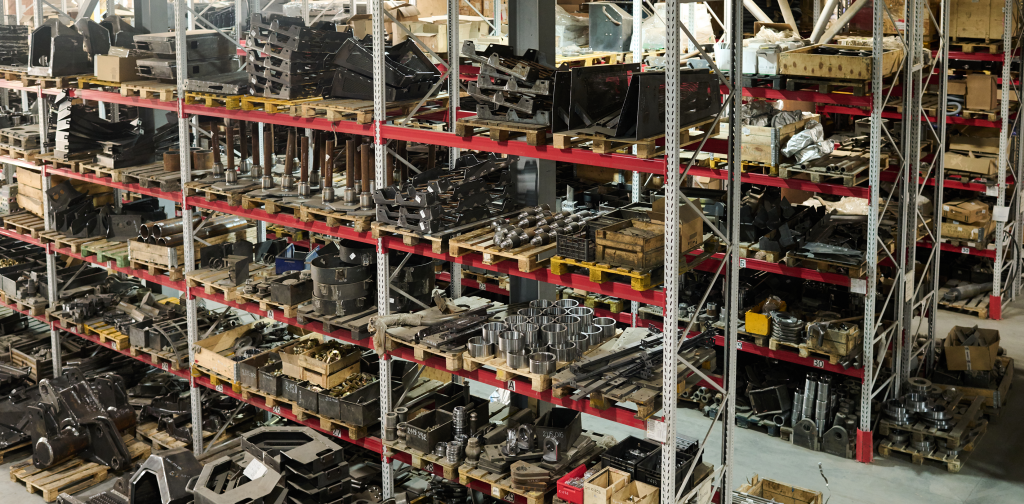
Major distribution centers have drastically cut their inventory. A prominent Chicago warehouse now stocks just 10 million parts compared to its previous 200 million.
2. Staffing Shortages
Various positions in the supply chain are experiencing staffing shortages, including:
- Limited warehouse personnel
- Reduced rail employees
- Fewer delivery drivers
- Insufficiently trained technicians
These shortages create a domino effect of delays in parts delivery and repair completion.
3. Challenges with Emissions-Related Components
The situation becomes particularly challenging when dealing with emissions-related components:
- Extended wait times for essential parts like DPF filters, DOC systems, sensors, and control modules
Manufacturers are currently prioritizing assembly lines over production of repair parts, which is leading to significant backlogs. For example, there’s a recent case where a simple knock sensor had a backorder lasting three weeks because dealers were given priority in the ordering system. Similarly, valve availability for an ’03 model head build is also facing delays.
Impact of Lack of Training
The lack of proper training worsens these problems, resulting in frequent mistakes when ordering parts and longer wait times for repairs. Even basic will-call orders at dealerships now take an average of one hour to process.
The Role of Diesel Parts Shortages in Causing Delays
Real-world examples highlight the significant impact of diesel parts shortages on repair timelines. A recent case involving Volvo trucks revealed extensive delays in obtaining crucial emissions-related components, including:
- DPF systems
- DOC units
- Sensors
- Control modules
These delays stem from manufacturers prioritizing assembly lines over repair part production, leaving repair shops and truck owners waiting for essential components.
A specific instance involved a knock sensor backorder spanning three weeks due to dealer priority systems. When repair shops attempted to use aftermarket alternatives, they encountered compatibility issues, further extending repair times.
Another notable case showed a three-week delay in valve availability for an ’03 model head build. Such extended waiting periods create a domino effect:
Lost Revenue: Each day your truck sits idle means missed loads and income
Increased Operating Costs: You might need to rent replacement vehicles
Schedule Disruptions: Delayed repairs affect delivery commitments
Customer Dissatisfaction: Late deliveries can damage business relationships
The situation with older truck models presents a unique contrast – glider trucks often experience shorter repair times due to better parts availability and higher stock levels for older components. This disparity highlights how modern emissions systems and specialized parts contribute to longer repair durations.
Strategies to Expedite Truck Repairs Despite Diesel Part Challenges
Building a good rapport with trustworthy repair garages can actually speed up your truck repairs. If repair shops already know who you are and your gear, they’re more likely to treat your repairs extra-special and scrounge up parts in a hurry for you. Here’s how to put it to work for you:
Smart Parts Management:
- Pay for parts upfront to expedite the ordering process
- Bring the correct part directly to the shop when possible
- Double-check return policies for non-stocking parts
- Use e-catalogs to ensure accurate part identification
Building Beneficial Shop Relationships:
- Establish connections with multiple reliable repair facilities
- Communicate your maintenance history and specific truck needs
- Work with shops that allow you to source your own parts
- Maintain open lines of communication about repair timelines
Time-Saving Tips:
- Schedule appointments in advance when possible
- Keep detailed records of your truck’s maintenance history
- Have your truck’s specific information readily available
- Consider joining a shop’s priority service program
An honest working relationship with your repair shop implies that they’re well aware of your equipment and can usually anticipate problems before they lead to major issues. This working relationship is especially crucial during part shortages when decent shops can arrange for alternate sources or can provide good alternatives to keep your truck operating.
The Role of Preventive Maintenance in Minimizing Repair Time
Preventive routine maintenance is your best defense against costly repairs and extended downtime. We have learned, from our experience, that by being proactive, we can identify likely problems before they become serious problems requiring a lot of repairs.
Key Areas to Monitor:
- After-treatment system components
- Emissions-related sensors
- DPF and DOC systems
- Electrical modules
The after-treatment system of your truck needs special attention because it is complex. Electrical problems in this system can cause various performance issues, such as decreased engine power or complete shutdowns of the system. These problems become especially difficult when dealing with emission products like modules and sensors, which often experience delays in the supply chain.
Impact on Repair Duration:
- Unresolved electrical problems can lead to multiple system failures
- Defective sensors may require a thorough diagnosis of the entire system
- Damaged DPFs or DOCs need specialized repair procedures
By using a properly structured maintenance schedule, you can identify potential signs of component wear or failure. Using this approach, you can schedule repairs during planned downtime rather than experience unplanned breakdowns. System inspections also allow technicians to identify electrical malfunctions before they can have a negative impact on your truck’s performance, which translates into saving precious time on repairs and reducing chances of being stranded when parts are scarce.
Supply Chain Problem-Solving for Quicker Repair: Focusing on Emissions-Related Parts
Supply chain disruptions have impacted components related to emissions profoundly. Production lines are now priority one, priority-wise, for producers, with major delays for priority items such as:
- DPFs (Diesel Particulate Filters)
- DOCs (Diesel Oxidation Catalysts)
- Emissions modules
- Various sensors
A stark example of this challenge: major warehouses that once stocked 200 million parts now maintain only 10 million, leading to extended wait times for essential emissions components.
Smart strategies to navigate these challenges:
Direct Parts Sourcing
- Build relationships with multiple suppliers
- Source your own parts when possible
- Pay for parts upfront to expedite delivery
Inventory Management
- Check return policies before ordering non-stock parts
- Verify part numbers through e-catalogs
- Consider keeping critical emissions components on hand
Dealership Relations
- Establish connections with reliable dealerships
- Request priority ordering for emissions-related components
- Be cautious with aftermarket alternatives that might cause compatibility issues
The current market demands a proactive approach to parts procurement. Implementing digital tracking systems like Fullbay can help monitor parts availability and streamline the ordering process. This systematic approach reduces delays and keeps your trucks running efficiently.
Choose I-55 Truck and Trailer Repair
Your trucking business depends on getting your trucks up and moving again. Fast access to reliable parts and good repair shops can be the difference between a brief slowdown and absolute financial ruin. Good rapport with quality repair shops, maintaining current information on parts, and doing preventive maintenance are top steps in preventing downtime.
At I-55 Truck & Trailer Repair, we understand the annoyance you feel with diesel repair delays and parts. Our trained technicians and state-of-the-art facilities in Crawfordsville, AR, Marion, AR, Memphis, TN, and West Memphis, AR are ready to help keep your trucks moving.
Need semi truck repairs? Call us at (870) 635-4003. We’re here to provide comprehensive solutions for all your truck and trailer repair needs.