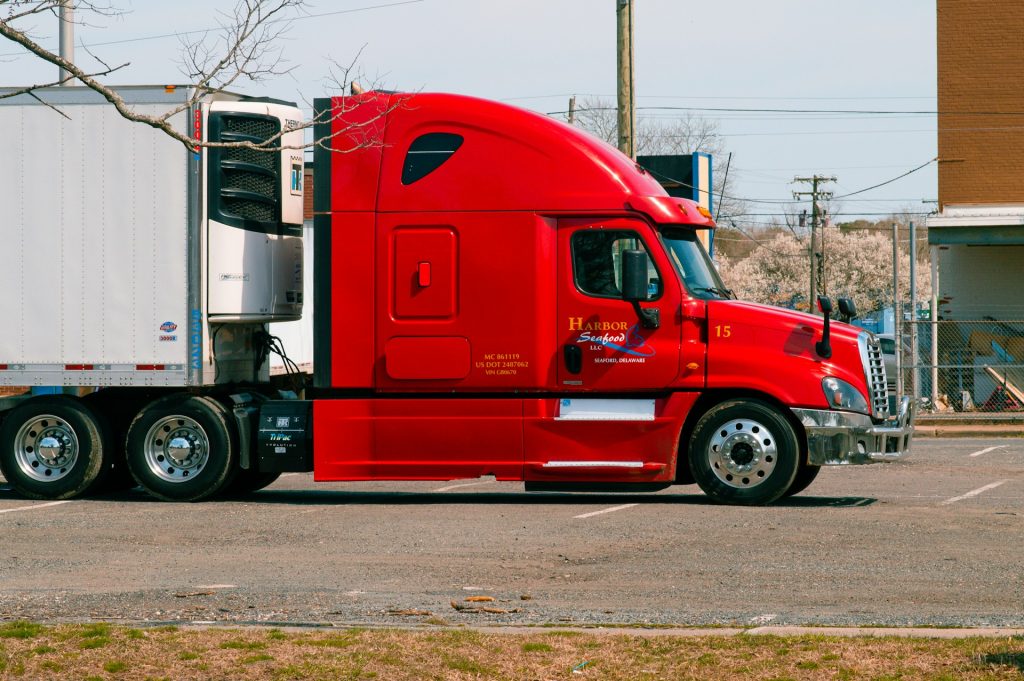
Who isn’t looking to get the most out of their semi truck investment? A glider kit might be the solution you’ve been searching for. These innovative packages offer a fresh start with a new chassis and cab – minus the engine, driveline, and emissions components.
Your trucking success depends on making smart equipment choices. Glider kits have gained popularity among fleet owners and independent operators for good reasons:
Cost-effective alternative to buying new trucks
Reliable performance without complex emission systems
Customizable options to match your specific needs
Reduced maintenance expenses
We understand the challenges you face with rising equipment costs and reliability concerns. Let’s explore how glider kits can transform your trucking operation and potentially save you thousands in operating expenses.
What is a Glider Kit?
A glider kit is a unique way to assemble a semi-truck. It includes a brand new chassis and cab, but here’s the interesting part – it doesn’t come with an engine, driveline, or emissions components. It’s like a semi-truck’s shell waiting for its heart and soul.
These kits offer a 1-year warranty on the cab, with options to extend coverage for the engine and drivetrain components you’ll add later. The manufacturing date stamps your truck as the current year, giving you the benefits of a fresh build.
Your glider kit includes:
- New truck chassis
- Fresh cab assembly
- Basic framework
- Essential structural components
The beauty of a glider kit lies in its flexibility – you can customize your truck’s powertrain setup while starting with a pristine foundation. This approach lets you blend modern structural integrity with proven mechanical components of your choice.
Benefits of Glider Kits for Semi Trucks
Glider kits offer significant advantages that make them an attractive choice for truck owners and fleet operators:
Cost-Effective Investment
- Lower initial purchase price compared to new emission trucks
- Reduced maintenance expenses
- Fewer warranty-related repair costs
- Minimal towing expenses due to simpler mechanical systems
Enhanced Reliability
- Proven mechanical components
- Simplified systems without complex emission controls
- Better cold-weather performance without DEF requirements
- Quicker repairs in remote locations
Operational Advantages
- Higher resale value in the used truck market
- Increased uptime with fewer mechanical issues
- Freedom from emission-related breakdowns
- Customization potential to meet specific needs
These benefits explain why smaller fleets particularly favor glider kits. The blend of cost savings and reliability offers a strong business argument for operators who want to optimize return on investment without compromising smooth operating conditions.
Popular Glider Kit Options
When it comes to glider kit options, you have several trusted manufacturers to choose from. Let’s look at the popular chassis options available:
Freightliner Models
- Cascadia – Known for its quieter operation
- Columbia – Reliable workhorse
- Coronado – Offers the most spacious sleeper option, ideal for long hauls
Peterbilt Options
- 388/389 Series – Classic styling with modern functionality
Kenworth Selections
- T800 – Versatile and dependable
- W900 – Premium option with higher price point
The Freightliner Coronado is an over-the-road favorite with plenty of room inside, and highway flyers who spend a lot of time on the highway appreciate it. Although the Coronado and the Kenworth W900 are more expensive, they do have some advantages when it comes to space and construction.
Note: The Coronado’s build quality requires attention, particularly around the frame line, where dash disassembly can lead to brittleness issues.
Engine Options for Glider Kits
Your glider kit’s engine choice plays a crucial role in your truck’s performance and reliability. The most popular engine options include:
Detroit Series – Known for exceptional reliability and fuel efficiency
Caterpillar C15 – Favored for its robust performance and durability
Cummins ISX – Delivers balanced power and dependability
Pre-EGR 14L Detroit engines are the best option for fleet operators, but good alternatives are provided by the N14 and 12.7L Detroit engines. The Detroit series is normally the first preference choice of a majority of truck operators, followed by the Cummins ISX. Your selection of engine could be another depending upon your specification requirement and haulage purposes.
These engines acquired their renown in the trucking industry through years of loyal service, and because of this, are perfect prospects for glider kit assembly. Every choice has its own benefits to offer your semi truck operation, enabling you to balance power needs with expectations of reliability.
Purchasing and Production Process
The purchase of a glider kit entails the acquisition of a new cab and chassis from companies such as Peterbilt, Freightliner, or Kenworth. Your own transmission, engine, and drivetrain parts will be used to finish building it.
Key Steps in the Purchasing Process:
- Select your preferred chassis manufacturer
- Choose cab configuration and sleeper options
- Source compatible drivetrain components
- Arrange installation and assembly
Newer regulations have imposed extreme constraints on the manufacturers regarding the assembly of glider kits. Those constraints are on the number of vehicles that the manufacturers can produce in a year, hence the kits become more desirable in the trucking industry.
The finished glider kit also has a 1-year warranty on the cab, with optional engine and drivetrain unit coverage. The warranty program ensures your investment without sacrificing the cost-saving benefits of glider kit assembly.
Challenges and Considerations with Glider Kits
While glider kits offer numerous advantages, they face specific challenges in today’s trucking landscape. The primary concern revolves around emission standards compliance. New regulations have placed strict limitations on glider kit production, driven by environmental concerns and pollution control measures.
The reliability issues with emission-equipped trucks present a complex situation:
Sensor Complications: Modern emission trucks rely heavily on sensors, creating potential failure points
Cold Weather Impact: Diesel exhaust fluid systems struggle in freezing temperatures
Warranty Concerns: Emission-related repairs can be extensive, leaving trucks out of service
These challenges affect both manufacturers and owners. The decline in sensor sales reflects the industry’s shift away from emission-heavy components. Yet, this reduction in sensor dependency contributes to glider kits’ appeal – they offer a simpler, more reliable mechanical system without the complexity of modern emission controls.
Impact on Used Truck Market
The increasing popularity of glider kits has created a significant shift in the used truck market dynamics. Small fleet operators often trade in their trucks before warranty expiration, leading to an increased availability of used trucks in the market.
These early trade-ins stem from:
- High maintenance costs of emission-equipped trucks
- Reliability concerns with newer models
- Cold weather performance issues with diesel exhaust fluid systems
The market now sees a notable price difference between emission-equipped trucks and glider kit vehicles. Used emission trucks command lower prices due to their documented reliability issues and higher maintenance requirements. This price gap reflects buyers’ growing awareness of the long-term ownership costs associated with emission-compliant vehicles versus the more straightforward maintenance of glider kit trucks.
Maintenance and Ownership Costs with Glider Kits
Glider kits have a lot of cost savings in the cost of repairs and maintenance. The trucks lose access to all but most of the high-tech emission-related systems used on newer trucks, and therefore, fewer and less complex repairs.
Key cost benefits include:
- Lower maintenance expenses compared to emission trucks
- Reduced risk of expensive warranty repairs
- Simplified repair processes in remote locations
- Elimination of costly tow bills
The lack of high-tech emission equipment also eliminates concerns with diesel exhaust fluid (DEF) or cold-weather emissions issues. Small fleet operators particularly appreciate these lower maintenance costs as glider kit maintenance is frequently less equipment- and labor-intensive.
Our professional mechanics at I-55 Truck and Trailer Repair can get you back on the road quicker, your truck up and running sooner. This efficient maintenance program shields your bottom line while providing performance you can rely upon throughout the life of your truck.
Choose I-55 Truck and Trailer Repair
Choosing between a glider kit and a new emission truck requires careful consideration of your specific situation. The decision impacts your business’s bottom line, operational efficiency, and long-term success.
Glider kits shine in these key areas:
Cost-effective maintenance with simpler repairs
Enhanced reliability through proven components
Flexibility in customization options
Lower operational costs without complex emission systems
Your choice should align with:
- Your available budget
- Local regulations
- Operating environment
- Maintenance capabilities
- Business growth plans
A glider kit is your best option if reliability and ease of maintenance are a top priority for you. Upfront expenses can pay for themselves in big dividends with lower downtime and fewer repairs.
Give us a call today (870) 635-4003!