
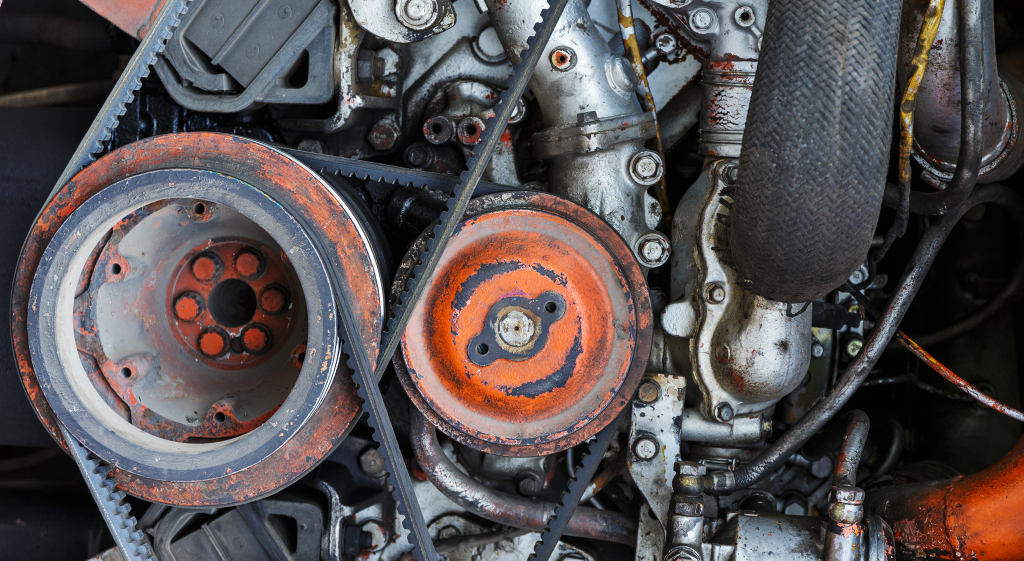
Diesel engine belt noise is a common complaint that may signal potential issues that can affect your car’s performance. Those annoying sounds – from subtle squeaks to loud slapping noises – typically signal underlying issues that require immediate attention.
Impact on Engine Components
Professional mechanics understand that belt-related problems can significantly impact various engine components. The problems do tend to beset fan hubs, which are essential to proper engine cooling. Alternators, which recharge the electrical system’s power, are also prone to belt failure.
Power steering pumps and air conditioning systems depend on successful belt operation to enable smooth steering and peak vehicle cooling efficiency.
Here at I-55 Truck & Trailer Repair, we stress the importance of timely belt noise diagnosis. Timely detection and repair of these problems avoid expensive repairs, lengthy vehicle downtime, possible engine damage, and lower fuel economy.
Our ASE-qualified technicians use a step-by-step methodology to diagnose and repair belt issues. We begin with simple checks prior to sophisticated diagnostics – a tried-and-tested method that guarantees accurate problem detection and successful repairs.
Tip: Never jump to the conclusion of the source of belt noise without examination. This practice eliminates misdiagnosis and guarantees successful repairs the first time.
Learning About Diesel Engine Belts
Diesel engines are dependent upon a highly sophisticated system of belts in front of the engine to drive critical components. The belts are the lifeline of several key operations. The fan hub drive is an intrinsic part of the engine’s cooling system aided by other parts to get to the optimal operating temperature. Alternator systems driven by these critical belts provide a smooth supply of electricity while propelling the vehicle. Power steering systems are fairly heavily reliant on belt operation to provide smooth, responsive steering input. The air-conditioning pumps also depend on the belt systems for cabin comfort and air conditioning.
The belt system configuration differs from diesel engine to diesel engine. Some of them are of single belt configuration, but others are made of six individual belts functioning collectively. All of the belts are individually significant in power transmission from the crankshaft of an engine to its corresponding elements.
Belt System Configurations:
Single Belt Systems
- Simplified maintenance
- Reduced replacement costs
- Higher risk of complete system failure
- Limited component-specific adjustments
Multiple Belt Systems
- Enhanced component isolation
- Individual belt tension control
- Targeted replacement options
- Increased maintenance requirements
The optimal operation of such belts is an immediate function of engine performance. A well-maintained belt system ensures the maximum transfer of power to ancillary equipment, keeps the engine at an optimum level, and avoids overloading the motor. The tension on each belt should be set with great accuracy—like a stringed violin—to ensure peak performance and reduce wear on belts and their respective parts.
Diagnosing Belt Noise: Step-by-Step Guide
Professional mechanics follow a systematic approach when diagnosing diesel engine belt noise. The key principle is to assume nothing and start with the simplest checks first – this prevents overlooking basic issues while saving time and effort.
Here’s a proven diagnostic process:
1. Initial Visual Inspection
- Check belt tension
- Look for visible damage
- Examine belt alignment
- Use adequate lighting for a thorough inspection
2. Listen for Specific Sound Patterns
- Slapping or ticking sounds indicate loose belts
- Squealing noises suggest worn or damaged belts
- Rhythmic sounds might point to missing belt chunks
3. Test and Verify
- Start the engine
- Listen for noise patterns
- Observe belt movement
- Check if noise changes with engine speed
Signs of Belt Issues
Belt problems can manifest in several concerning ways. Most typically, you will see cracked and dry surfaces forming along the belt material that signify weathering and aging. Pieces or chunks missing from the belt surface signify critical damage that needs urgent attention since these flaws may easily cause total belt failure.
Asymmetrical wear patterns on the belt surface usually indicate misaligned or badly operated pulleys. Additionally, incorrect tension, too loose or too tight, will cause critical operational issues and expedite belt and associated engine wear.
The proper diagnosis entails methodical testing – if adjusting belt tension will not correct a noise, look for physical deterioration. Belt rotation around pulleys can create distinct sounds when damaged sections make contact, helping pinpoint the exact problem area.
Remember: Belt noise might indicate deeper issues. If initial checks don’t reveal the source, the problem could lie elsewhere in the engine system, requiring more comprehensive diagnostic procedures.
Common Causes and Fixes for Diesel Engine Belt Noise
Loose belts create distinct slapping or ticking sounds during engine operation. These noises signal potential issues requiring immediate attention. Here’s what you need to know about belt-related problems and their solutions:
1. Loose Belt Issues:
- Slapping sounds during rotation
- Ticking noises at varying engine speeds
- Inconsistent power delivery to components
2. Belt Damage Signs:
- Missing chunks or segments
- Dry, cracked surfaces
- Uneven wear patterns
3. Professional Solutions:
- Belt Tension Adjustment: Tighten belts to achieve violin string-like tension
- Belt Replacement: Install new belts when cracks or missing pieces are present
- System Testing: Run engine after repairs to verify noise elimination
Pro Tip: If noise persists after belt repairs, the issue might stem from other engine components, such as the valve train. A methodical diagnostic process guarantees proper problem-solving and successful remedies.
When to Seek Professional Assistance with Diesel Repairs
Whereas problems with belts may occasionally be disclosed by plain observation, complex diesel engine issues require the services of experts. ASE-certified master technicians possess the specialized education, training, and tools to identify underlying issues that may not be apparent by visual inspection.
Key Reasons to Consult Professional Diesel Repair Services
Professional diesel repair services offer several critical advantages for vehicle maintenance. Advanced diagnostic equipment helps detect hidden problems that might go unnoticed during basic inspections. Technicians bring expertise in handling multiple belt systems, ensuring proper synchronization and function.
They maintain access to OEM quality replacement parts, guaranteeing lasting repairs with manufacturer-approved components. Their specialized tools enable precise belt tension adjustments, which are critical for optimal performance. Additionally, their knowledge of manufacturer specifications ensures all work meets industry standards.
I-55 Truck & Trailer Repair Services
I-55 Truck & Trailer Repair has well-trained technicians offering full diesel repair services from their state-of-the-art facilities. Their services include full engine diagnosis and finding problems before they become major problems. They are experts in belt repair and replacement systems, providing correct installation and alignment. Preventative maintenance packages prevent breakdowns and increase the vehicle’s lifespan.
Emergency repair is offered where there is a need for immediate repair, avoiding downtime and keeping vehicles on the road. Through these services, they maintain optimal performance levels for all diesel engines under their care.
Our ASE trained technicians at I-55 Truck & Trailer Repair understand the important role belt maintenance has in the function of diesel engines. Industry leading technical service procedures enable us to make proper diagnoses and repair work quickly, reducing downtime on your truck.
When to Have Professional Diesel Repair Work
Expert diesel repair is called for in a lot of emergency situations. Where several belts show signs of aging and deterioration, professional diagnosis needs to be carried out to avoid complete system collapse. Where sound persists from the engine after attempting basic checks and adjustments, expert professionals can bring out hidden issues not obvious to the amateur eye. Belts with malfunctioning routing systems mostly need esoteric knowledge and tools for proper servicing and alignment and need expert help.
If belt noise occurs along with other performance problems, extensive diagnostic tests by experienced technicians guarantee that every connected problem is identified. Secondly, strict observation of standard maintenance intervals necessitates regular professional inspection to optimize engine performance and avert expensive repairs.
Choose I-55 Truck and Trailer Repair
Scheduled inspections, belt tension checks, and periodical replacements are the keys to improving engine running. Regular belt maintenance is critical for the life and performance of your diesel engine. Active belt noise diagnosis will prevent costly repairs and surprise breakdowns.
You must be attentive and observe unusual belt sounds under engine running conditions since they often warn of pending issues. You need to do regular visual checks of belt condition as part of your maintenance procedure to detect any problems early. After you notice loose or faulty belts, it is easier to treat them in the early stages to avoid additional problems in the future. Get regular maintenance check-ups to keep your engine belt system in pristine condition and are maintained in excellent working order.
Our intention at I-55 Truck & Trailer Repair is to keep your diesel engine at peak performance level. Our professionals have years of experience with belt systems and can provide total solutions for any and all of your truck repair service needs.
Don’t let belt noise problems affect your engine’s performance. Reach out to us at (870) 635-4003 for professional diagnosis and repair services. Our team is ready to provide the expert care your diesel engine needs.