Heavy-load oil intervals get people in trouble because the truck may still sound fine right up to the point it is not fine.
We at I-55 Truck and Trailer Repair in Crawfordsville, AR see that pattern a lot. A driver runs hard, idles plenty, pulls weight, and then wonders why the same interval from an easy highway truck did not hold up.
Heavy Work Beats Up Oil Faster
Pulling weight makes heat. Heat works the oil harder.
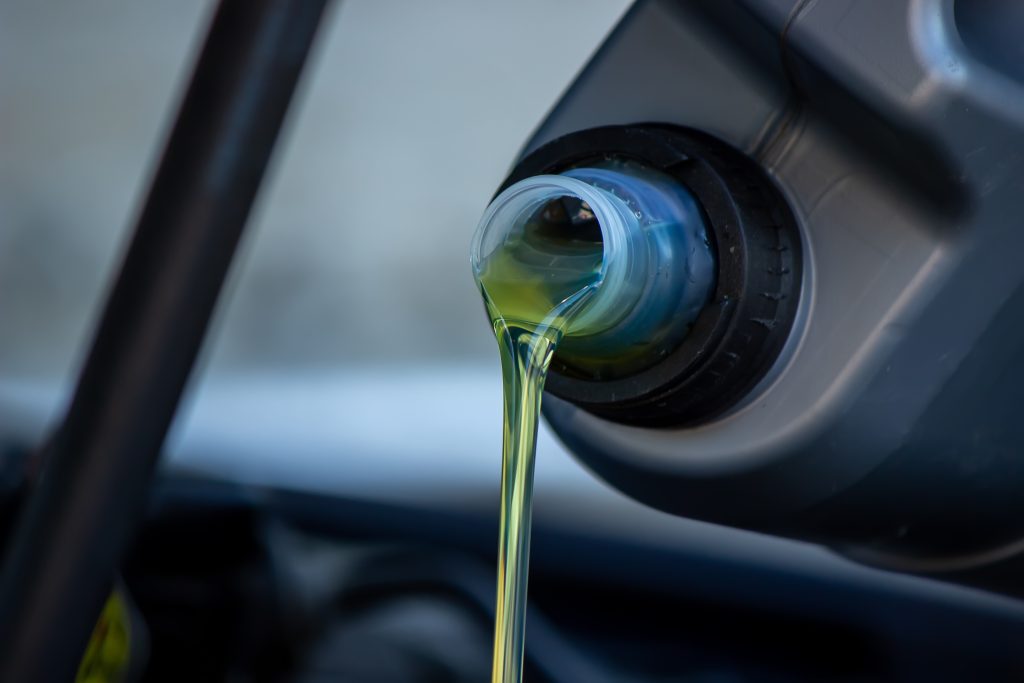
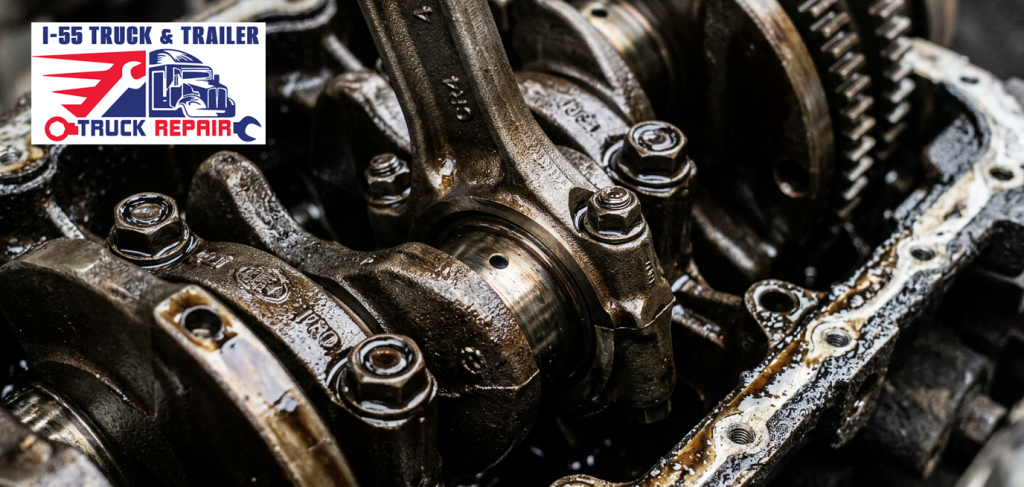
That oil is trying to keep bearings alive, carry soot, cool hot parts, and still move through tiny spaces without turning into tired black syrup.
A truck hauling light on an open highway is one thing. A truck dragging weight, sitting in yards, and fighting summer heat is another animal.
Miles Are Only Part Of The Story
Mileage matters, but engine hours matter too. A truck can sit and idle all night and barely move the odometer, but the engine is still working.
Heavy pulls, dusty lots, local routes, cold starts, fuel dilution, coolant loss, and frequent regens can all make a normal-looking interval too long.
That is why a sticker date by itself is not much of a plan.
Oil Analysis Takes The Guessing Out
If you want longer drains, test the oil. Simple as that.
A sample can show soot, metal, fuel, coolant, and whether the oil is still holding its weight. Sometimes it proves you have room. Sometimes it tells you to stop stretching things before parts start disappearing into the filter.
Either answer is better than guessing.
Change It Early When The Truck Talks
Louder engine, hotter pulls, more top-offs, oil pressure acting weird, diesel smell on the dipstick, or regens stacking up are all reasons to tighten the schedule.
An early oil service feels annoying. A hurt turbo or bearing job feels worse. A lot worse.
Build The Interval Around The Truck
Start with the manufacturer, then adjust for the actual routes, weight, idle time, weather, and oil test results.
Call our pros at I-55 Truck and Trailer Repair in Crawfordsville, AR, at (870) 635-4003. We can help set a semi truck oil change interval that fits how your truck really works.