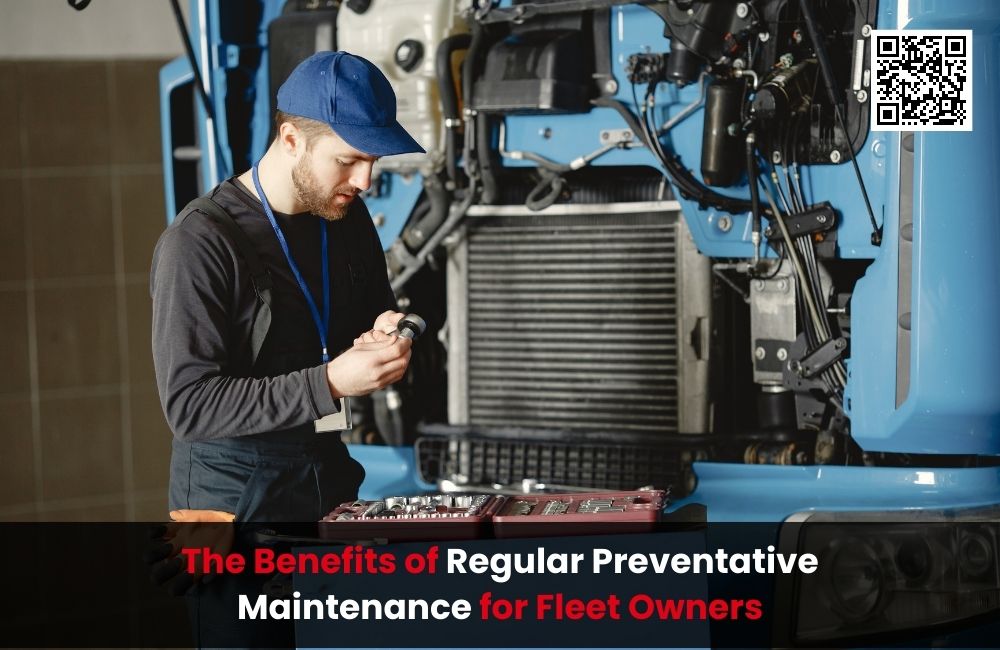
As a fleet owner, ensuring the longevity and efficiency of your vehicles is paramount. Regular preventative maintenance is not just a good practice; it’s a strategic approach that can lead to significant benefits for your fleet. Here, we explore the key advantages of implementing a robust preventative maintenance program.
1. Enhanced Vehicle Performance
Regular maintenance helps keep your vehicles in optimal condition. Routine checks and services, such as oil changes, tire rotations, and brake inspections, ensure that all components are functioning correctly. This not only enhances performance but also improves fuel efficiency, allowing your fleet to operate more effectively and economically.
2. Reduced Downtime
One of the most significant costs for fleet owners is vehicle downtime. Unexpected breakdowns can lead to delays, lost revenue, and dissatisfied customers. By investing in preventative maintenance, you can identify and address potential issues before they escalate into major problems. This proactive approach minimizes the risk of unexpected repairs and keeps your fleet on the road.
3. Cost Savings
While preventative maintenance requires an upfront investment, it can lead to substantial long-term savings. Regular maintenance can help avoid costly repairs that arise from neglect. Additionally, well-maintained vehicles tend to have a longer lifespan, reducing the frequency of replacements. By keeping your fleet in good condition, you can save money on both repairs and new vehicle purchases.
4. Improved Safety
Safety should always be a top priority for fleet owners. Regular maintenance checks help ensure that all safety features, such as brakes, lights, and tires, are functioning correctly. This not only protects your drivers but also reduces the risk of accidents, which can lead to costly liabilities and insurance claims. A well-maintained fleet is a safer fleet.
5. Better Compliance with Regulations
Fleet owners must adhere to various regulations and standards, including those related to vehicle safety and emissions. Regular preventative maintenance helps ensure compliance with these regulations, reducing the risk of fines and penalties. Keeping detailed maintenance records can also demonstrate compliance during inspections.
6. Increased Resale Value
When it comes time to sell or trade in your vehicles, a well-documented maintenance history can significantly increase their resale value. Potential buyers are more likely to invest in vehicles that have been regularly maintained, as they can trust that the vehicle is in good condition. This can lead to a higher return on investment when it’s time to refresh your fleet.
7. Enhanced Driver Satisfaction
Drivers are more likely to be satisfied and productive when they operate well-maintained vehicles. Regular maintenance reduces the likelihood of breakdowns and ensures that vehicles are comfortable and safe. Happy drivers are more likely to stay with your company, reducing turnover and associated training costs.
Regular preventative maintenance is an essential strategy for fleet owners looking to enhance performance, reduce costs, and ensure safety. By prioritizing maintenance, you can keep your fleet running smoothly, improve driver satisfaction, and ultimately boost your bottom line. We are specialized in providing comprehensive maintenance services tailored to the needs of fleet owners. Invest in your fleet’s future by implementing a robust preventative maintenance program today!
FAQ
1: What is preventative maintenance, and why is it important for fleet owners?
Answer: Preventative maintenance refers to regular, scheduled maintenance tasks performed on vehicles to prevent breakdowns and ensure optimal performance. For fleet owners, it is crucial because it helps reduce downtime, enhances vehicle safety, improves fuel efficiency, and ultimately saves costs associated with unexpected repairs.
How often should preventative maintenance be performed on fleet vehicles?
Answer: The frequency of preventative maintenance depends on several factors, including the type of vehicle, usage patterns, and manufacturer recommendations. Generally, it is advisable to conduct maintenance checks every 3,000 to 5,000 miles for oil changes and to follow a regular schedule for other services, such as tire rotations and brake inspections, typically every 6,000 to 10,000 miles.
What are the common services included in a preventative maintenance program?
Answer: A comprehensive preventative maintenance program typically includes services such as oil changes, tire rotations, brake inspections, fluid checks and replacements, filter changes, battery checks, and overall vehicle inspections. These services help ensure that all vehicle components are functioning properly and safely.
How can preventative maintenance save money for fleet owners?
Answer: Preventative maintenance can save money by reducing the likelihood of costly repairs that arise from neglect, extending the lifespan of vehicles, and improving fuel efficiency. By addressing potential issues early, fleet owners can avoid expensive breakdowns and downtime, leading to significant long-term savings.
What documentation should fleet owners keep for preventative maintenance?
Answer: Fleet owners should maintain detailed records of all maintenance activities, including dates, services performed, parts replaced, and any inspections conducted. This documentation is essential for tracking vehicle history, ensuring compliance with regulations, and can also enhance resale value when it’s time to sell or trade in vehicles.