Truck Repair Shop on I-55 in Memphis & West Memphis Areas
Diesel, truck, and trailer repair from ASE certified mechanics, with 24/7 road service across Memphis & West Memphis.
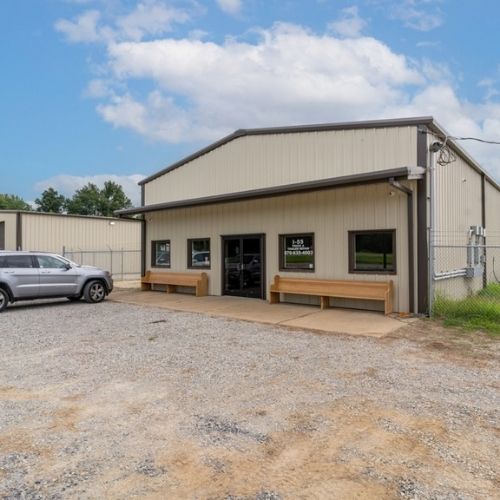
I-55 Truck & Trailer Repair is a full-service truck repair shop located at 7468 I-55, Crawfordsville, AR 72327, just minutes from the I-40 and I-55 interchange. For 25 years, we have repaired light to heavy-duty trucks, semi-trailers, RVs, and buses for owner-operators and fleets across the Mid-South. Whether you need a diesel engine repair, a brake job, or help after a breakdown on the highway, our team works to get you back on the road fast.
Truck & Trailer Repair
Diesel repair for semi-trucks, trailers, and fleets by ASE certified mechanics in Crawfordsville AR.
Mobile Truck Repair
On-site repairs for tires, batteries, and electrical issues to get you moving again fast.
24/7 Roadside Assistance
Emergency truck repair on I-55 and I-40, day or night, across Memphis & West Memphis.
Why Drivers and Fleets Choose Our Truck Repair Shop
Experience, certification, and straight answers you can count on.
25 years in truck and trailer repair. We've seen nearly every problem a commercial vehicle can have, so diagnosis is faster and more accurate.
ASE certified mechanics. Your truck is serviced by trained professionals who meet industry standards.
BBB Accredited business. We earn trust through honest estimates, clear communication, and quality work.
Easy access on I-55. Our location off the interstate makes drop-offs simple for drivers passing through the Memphis area.
Shop and mobile service. We cover full shop repairs and roadside calls with the same team.
Safety first. Every repair meets or exceeds industry standards to keep your equipment safe and DOT ready.

ASE Certified Mechanics and BBB Accredited Business
25
Years of Experience
Truck Repair Services by System
Expert repairs for every major system on your truck, in the shop or on the road.
MOBILE TRUCK REPAIR AND MAINTENANCE
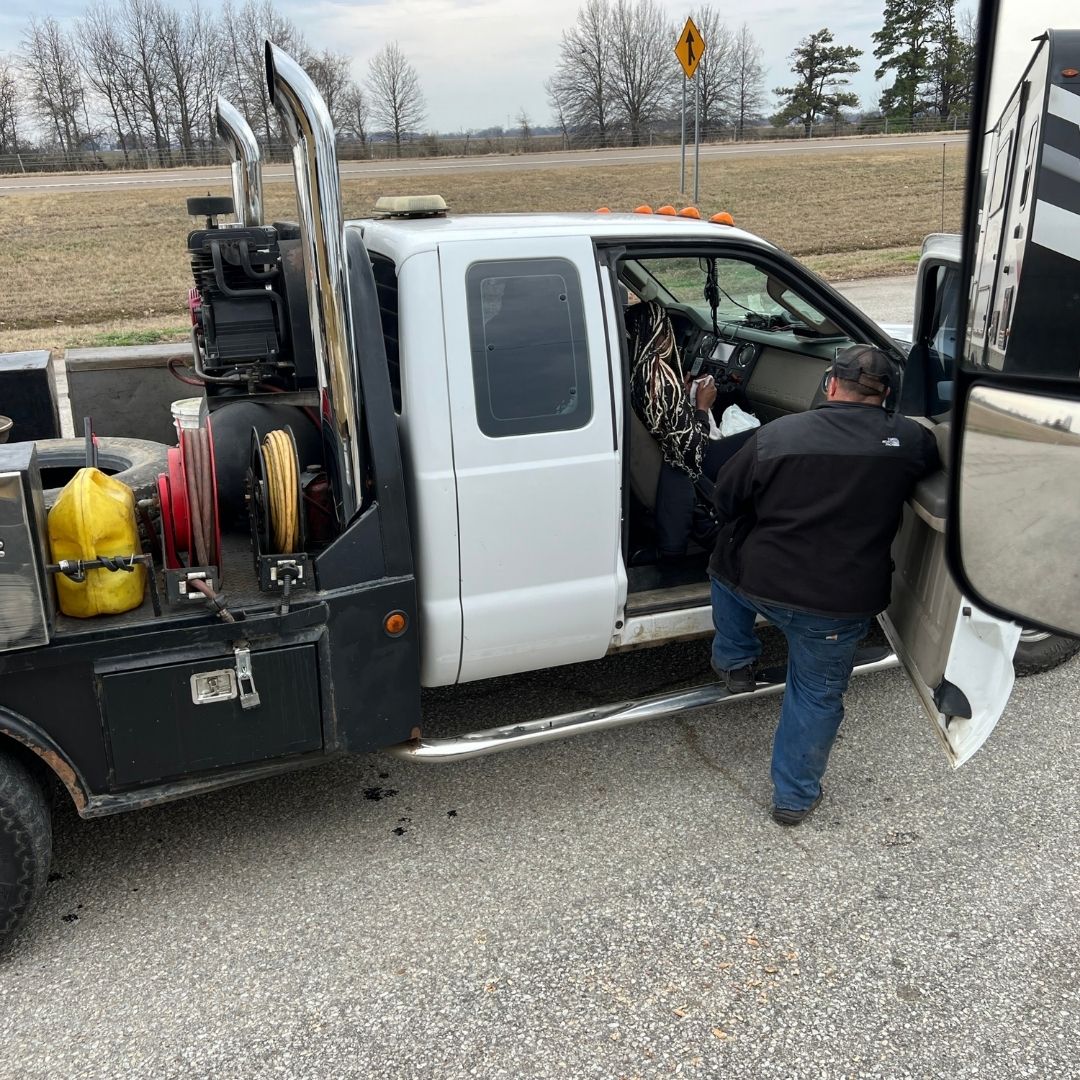
Our mobile mechanics bring the repair to your truck, whether you're on the roadside, at a truck stop, or in your yard. We handle tires, batteries, forced regens, and routine fleet servicing on-site, 24 hours a day.
ENGINE AND TRANSMISSION
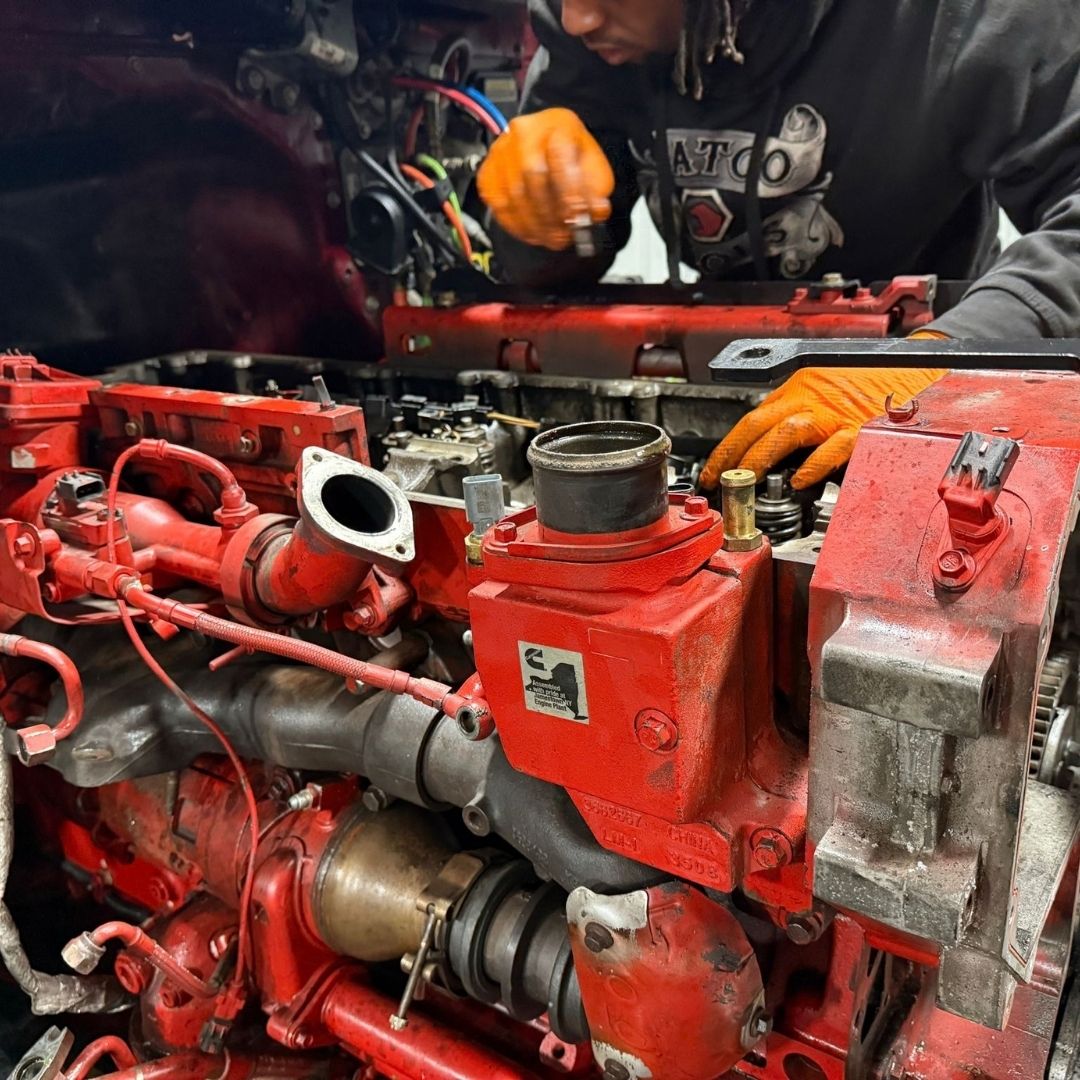
We repair and rebuild diesel engines, transmissions, clutches, cooling systems, and drivelines. From minor fixes to full overhauls, our ASE certified mechanics restore power and reliability.
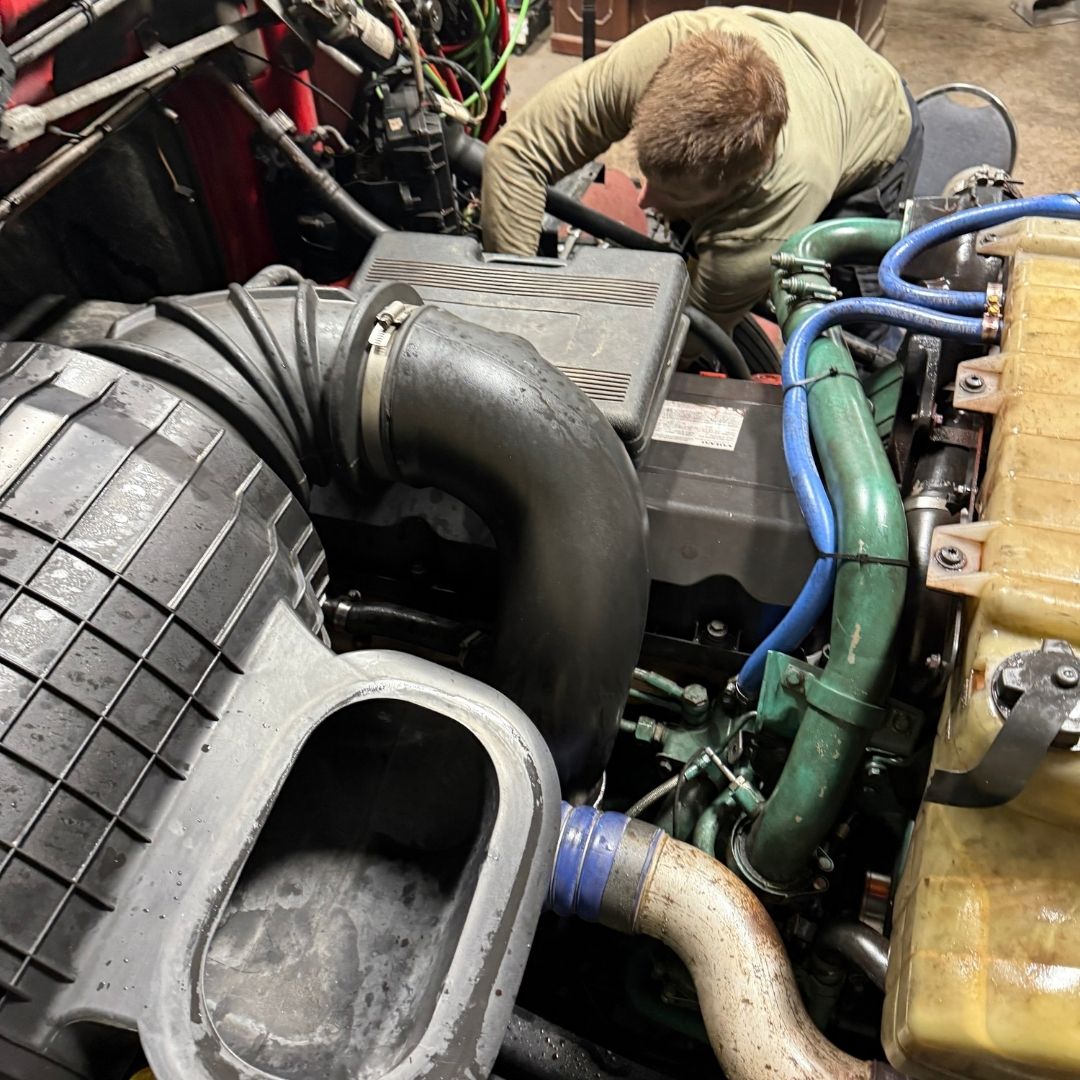
ELECTRICAL AND DIAGNOSTIC
Advanced diagnostic tools help us find problems fast, from check engine lights to faulty modules. We also repair EGR, DPF, and emission control systems to keep your truck running clean and compliant.
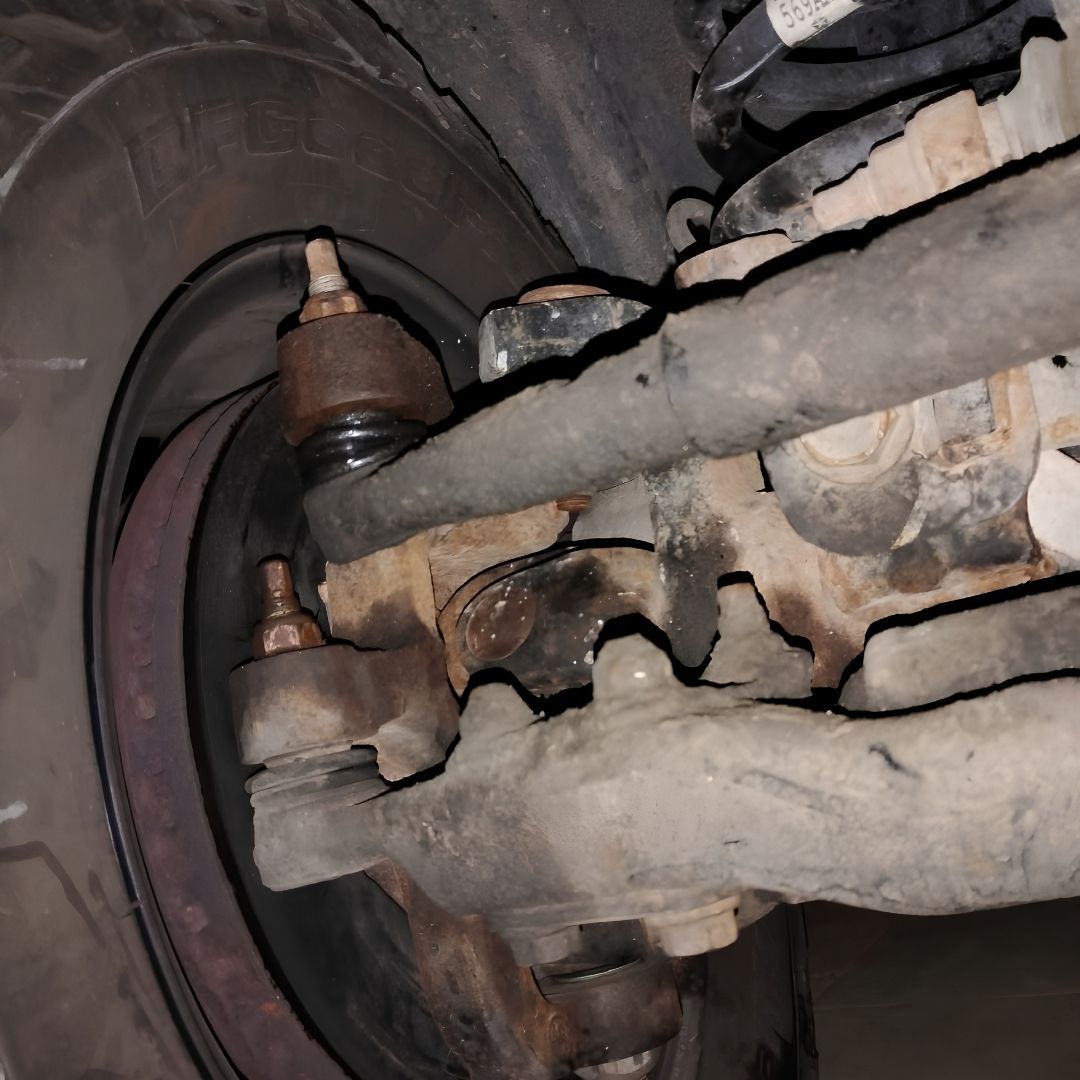
BRAKE AND SAFETY SYSTEM
Safe stopping starts with a healthy brake system. We inspect, maintain, and repair air brakes, ABS, parking brakes, and brake fluid systems to keep you safe and DOT ready.
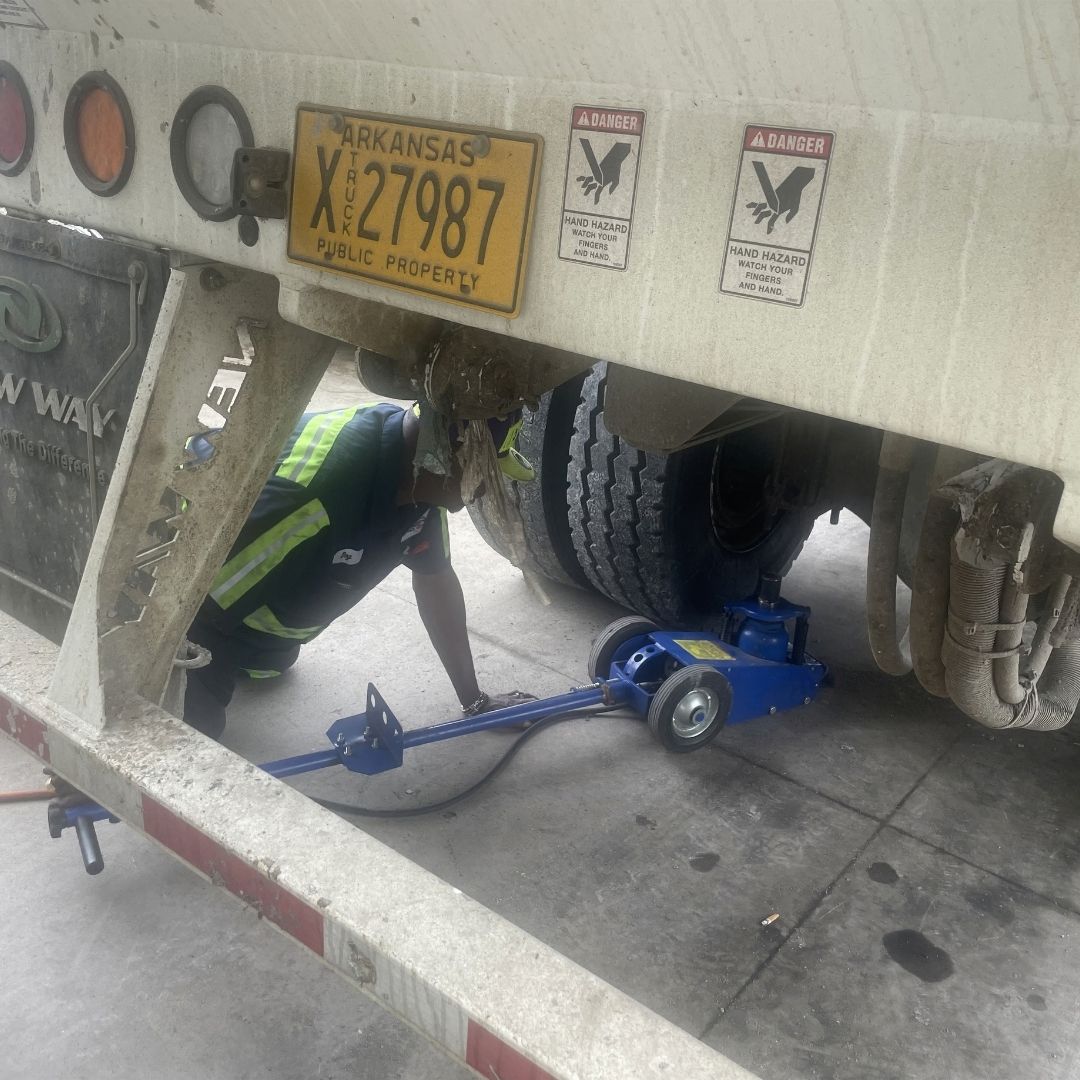
TIRE & LUBE
We repair, replace, rotate, and balance truck tires, and service suspension parts including shocks, bushings, bearings, and joints. The result is a smoother ride, even tire wear, and longer component life.
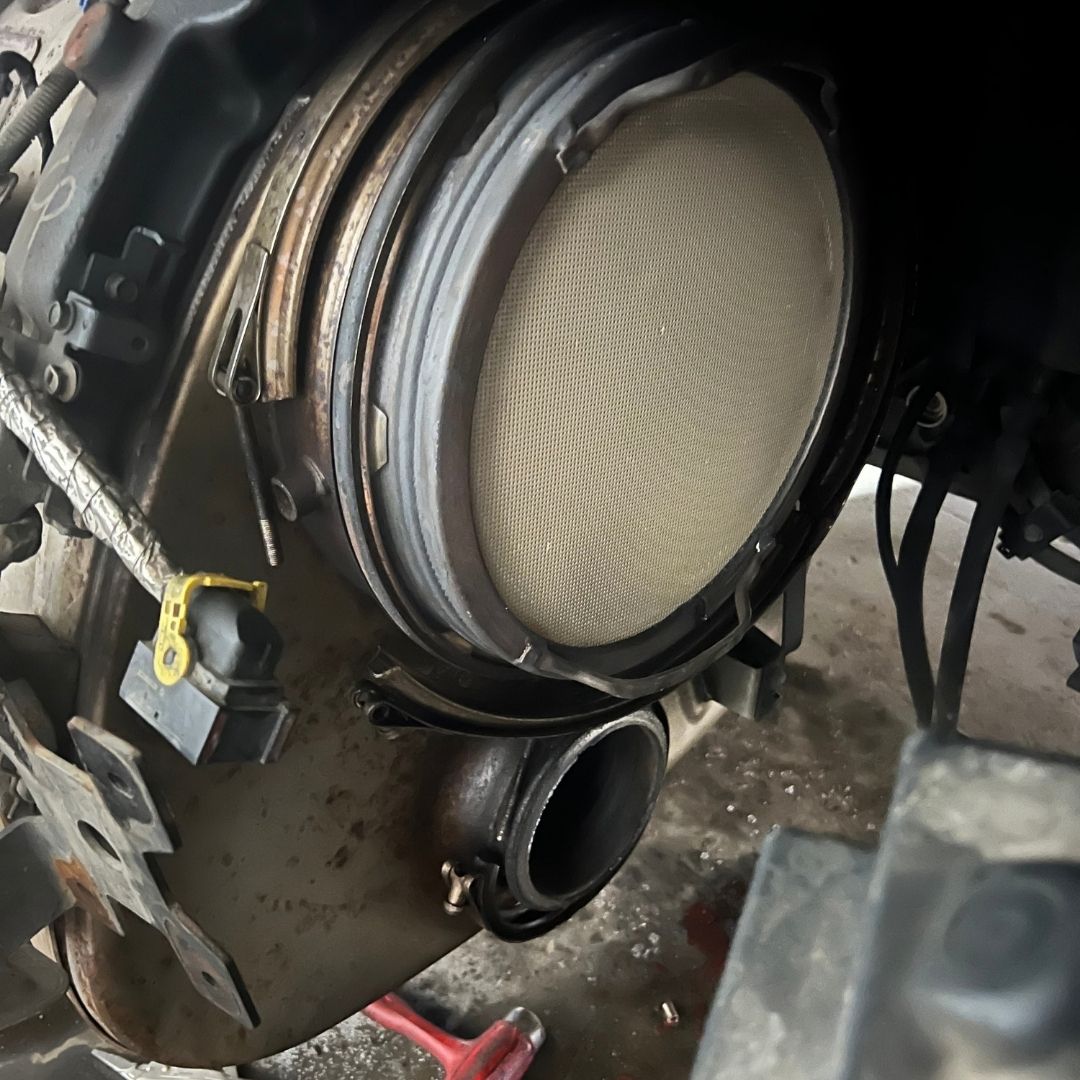
EXHAUST & AFTERTREATMENT
Beyond everyday repairs, we handle axle work, truck HVAC systems, and custom welding and fabrication for trucks and trailers. Our preventive maintenance and scheduled fleet programs help you catch problems early and avoid costly breakdowns.
What Drivers and Fleets Say About Us
For 25 years, we've earned the trust of owner-operators, fleet managers, and travelers across Memphis, West Memphis, and the Mid-South. Here's what some of our customers have to say about their experience with I-55 Truck & Trailer Repair.
Specialty Repair for Trucks, Trailers, RVs, and Buses
Dedicated services for the vehicles and problems we see most across Memphis & West Memphis.
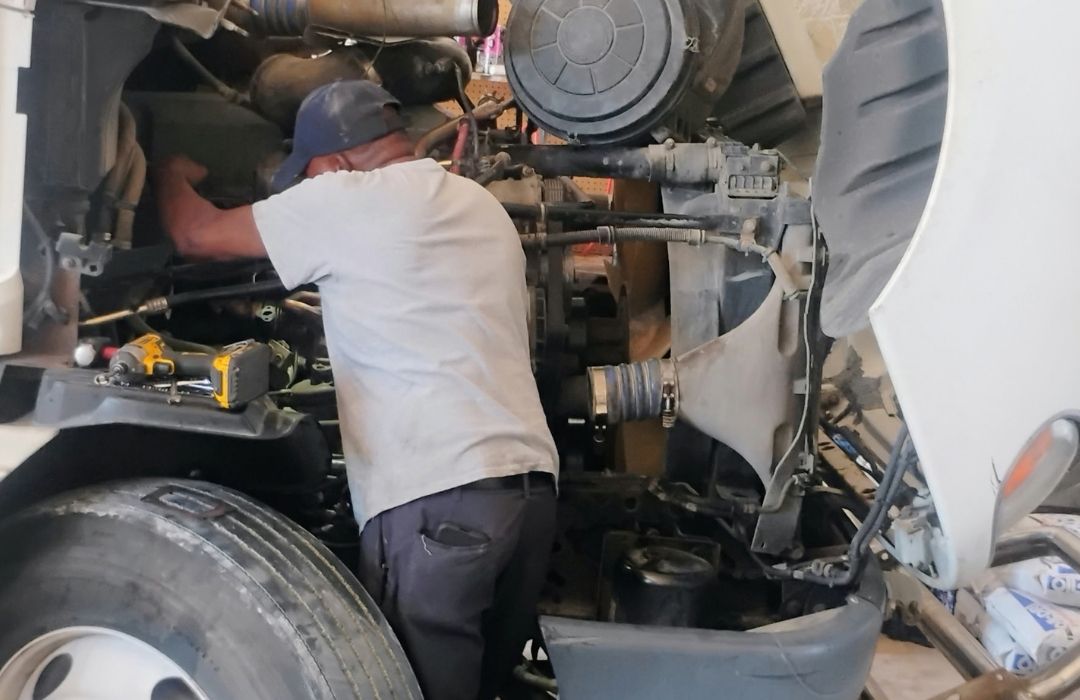
Truck Repair
Complete diesel truck repair, from diagnostics and electrical work to brakes and drivetrain.
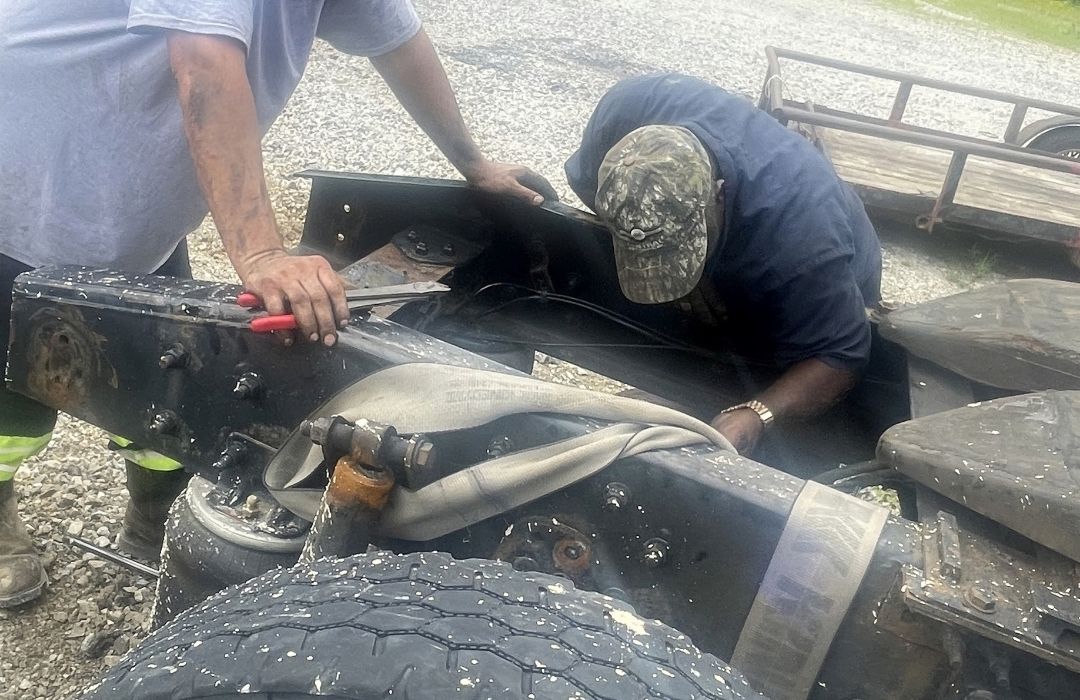
Trailer Repair
Brakes, lights, tires, axles, landing gear, and reefer support for all types of trailers.
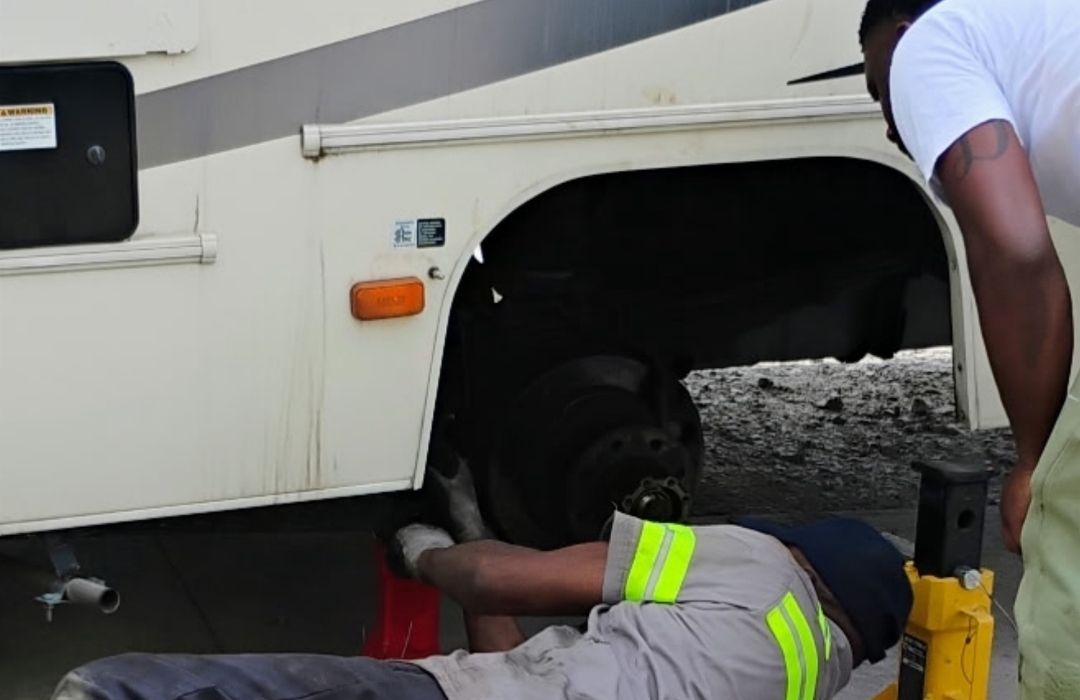
RV & Bus Repair
Engine, brake, chassis, electrical, and A/C repairs for motorhomes, coaches, and buses.
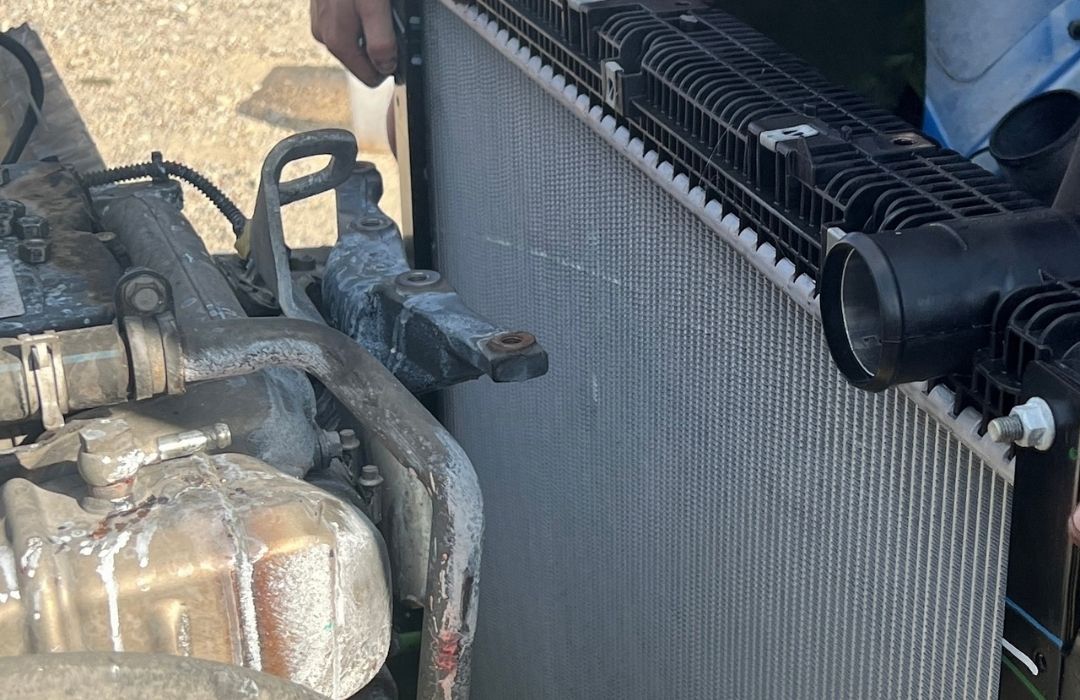
Semi Truck AC Repair
Compressor, condenser, and sleeper cab A/C repair, plus leak detection and recharge.
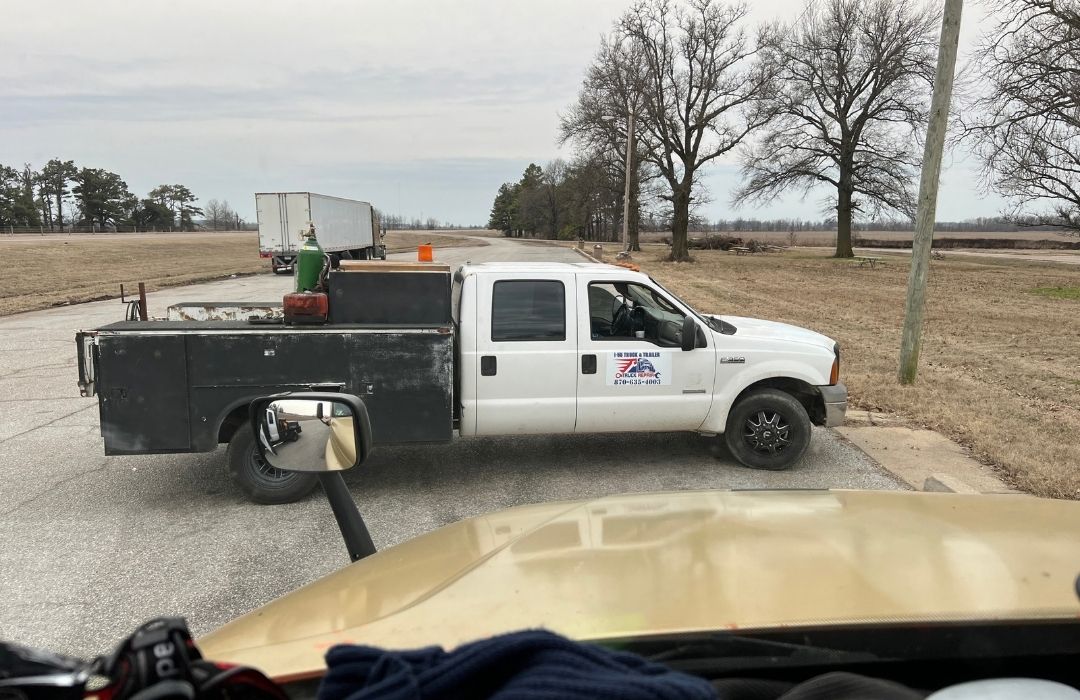
Road Service & Mobile Repair
24/7 roadside dispatch, on-site repairs, and tow coordination when you break down.
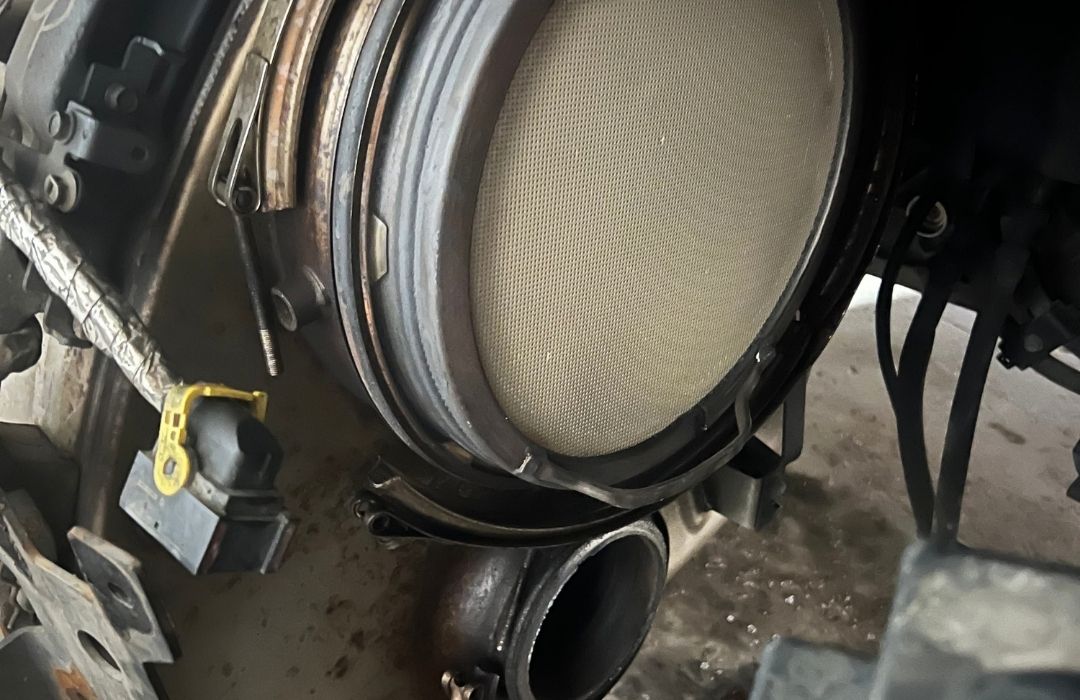
DPF Repair
DPF cleaning, forced regeneration, and replacement to clear derates and restore power.
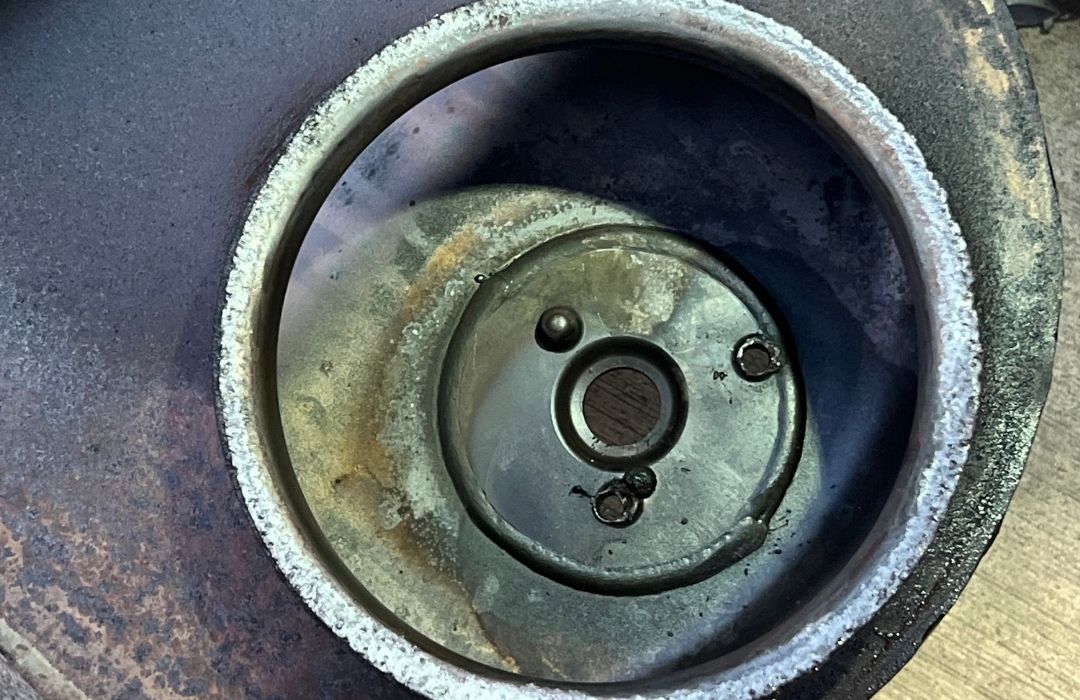
DEF Repair
DEF pump, injector, heater, and sensor repairs to fix warning lights and derates.
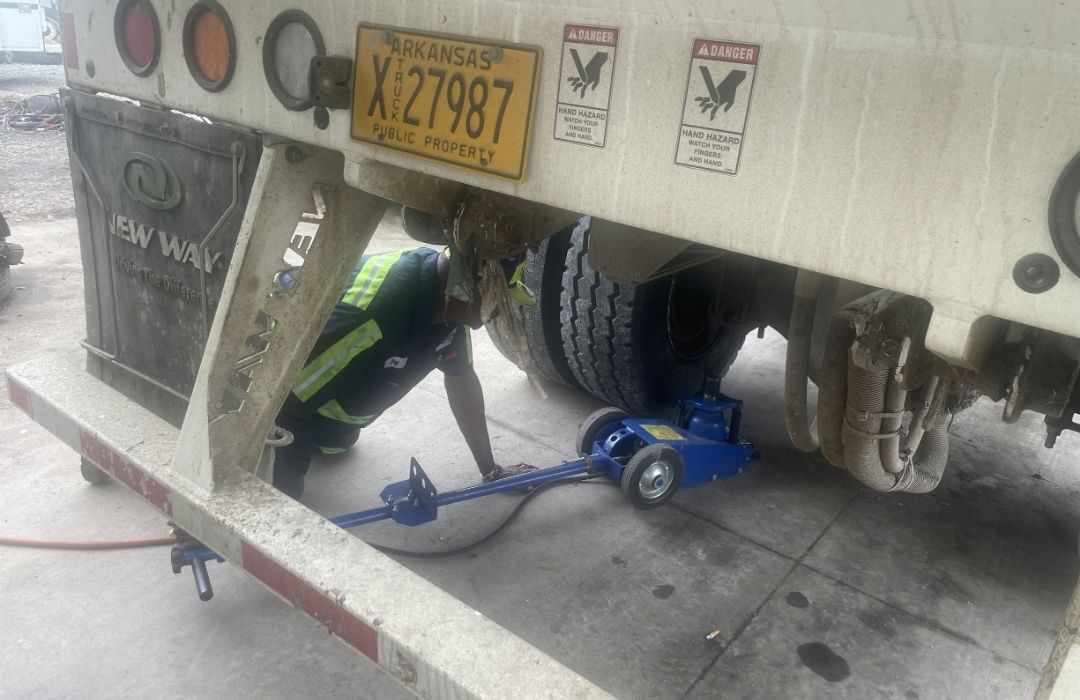
Tire and Lube
Commercial tire service, oil changes, chassis lubrication, and fleet lube programs.
How Our Repair Process Works
A simple process designed to get you back to work.
1
Call or request service
Tell us what's happening with your truck or trailer and where you are.
2
Diagnosis
Our technicians find the root cause using dealer-level diagnostic tools.
3
Clear estimate
We explain the repair and the cost before any work begins.
4
Repair and road test
We complete the work, test it, and get you moving again.
Frequently Asked Questions
Where is your truck repair shop located?
Our shop is at 7468 I-55, Crawfordsville, AR 72327, directly on I-55 and a short drive from Memphis, West Memphis, and the I-40 interchange.
Do you offer 24/7 roadside truck repair?
Yes. Our road service team handles breakdowns 24/7 throughout Memphis & West Memphis and nearby areas. Call (870) 635-4003 for dispatch.
What types of vehicles do you repair?
We repair light to heavy-duty trucks, semi-trucks, all types of trailers including reefers, and RVs and buses.
Can you fix a DPF or DEF derate?
Yes. We diagnose and repair DPF, DEF, DOC, and SCR problems, including forced regenerations, sensor and wiring faults, and component replacement, both in the shop and on the road.
Are your mechanics certified?
Yes. Our mechanics are ASE certified, and I-55 Truck & Trailer Repair is a BBB Accredited business with 25 years of experience in truck and trailer repair.
Do you work with trucking fleets?
Yes. We offer scheduled fleet maintenance, lube programs, DOT inspection support, and fleet road call support to help reduce downtime.
Serving Memphis, West Memphis, and the Mid-South
Shop repairs in Crawfordsville AR and road service throughout the region.
From our shop at 7468 I-55, Crawfordsville, AR 72327, we serve drivers and fleets throughout Crittenden County, the Memphis metro, and nearby communities in Arkansas, Tennessee, and Mississippi, including:
Need a Trusted Truck Repair Shop Near Memphis?
Call now for shop repairs or 24/7 road service.
Whether you are passing through on I-55 or running a fleet out of West Memphis, I-55 Truck & Trailer Repair is ready to help. Call us or request service online, and we'll get you back on the road.
I-55 Truck & Trailer Repair is a trusted truck and trailer repair shop on I-55 in Crawfordsville AR, with 25 years of experience serving drivers and fleets across Memphis & West Memphis. Our ASE certified mechanics handle diesel repair, trailer repair, and 24/7 roadside service to get you back on the road fast.


Copyright © 2026 I-55 Truck and Trailer Repair, All Rights Reserved. | Powered By Truck Service Marketing