Your diesel truck is more than a machine, it’s your livelihood. This is one of the many reasons why corrosion prevention and maintenance information need to be at the top of your list of priorities. Corrosion can creep in and assault your truck’s most critical systems, from electrical connectors to engine components, resulting in expensive repairs and downtime.
The consequences of corrosion on diesel trucks can be catastrophic:
Electrical System Damage: Corroded wires and connectors can lead to system failure.
Structural Flaw: Steel chassis and frame corrosion reduces safety.
Engine Part: Rusting inside the engine reduces performance and lifespan.
Brake System Malfunctions: Rusty brake parts lead to loss of life.
Regular maintenance is your best line of defense. A well-maintained truck can withstand the degradation caused by corrosion, saving you money on repairs and extending your vehicle’s lifespan. With proper inspection techniques and preventative maintenance, your truck will go strong and maintain its value.
Understanding the Winter Season Effect on Diesel Trucks
Winter brings specific challenges for diesel truck maintenance. The combination of cold weather, snow, and ice exposes the vehicle to harsh conditions that can significantly hasten the corrosion in your truck’s critical components.
The Risk of Road De-Icers
Road de-icers are a grave threat to the integrity of your truck. These chemical compounds, while necessary for winter driving, viciously corrode metal and paint surfaces. The salt solutions provide an aggressive corrosive matrix that can devour your truck’s exterior body panels, undercarriage components, frame rails, brake systems, and electrical connections.
Protecting Your Truck from Winter Corrosion
A proactive approach to winter maintenance helps safeguard your investment:
Daily Washing: Wash your truck regularly after coming into contact with snow and road treatments.
Use Neutralizers: Apply specialized chemicals to eliminate the residue of road de-icer.
Target Hidden Areas: Focus particularly on wheel wells, frame rails, and areas where de-icers will collect.
Immediate Repairs: Address any bare metal or paint chip at once to prevent corrosion from gaining a strong hold.
The secret to successful winter protection is consistency. As soon as your truck comes across road treatments, sweep off these corrosive products right away. This consistently keeps long-term damage at bay while shielding your truck’s structure from the harsh winter weather.
Checking Diesel Trucks for Corrosion: An Essential Maintenance Process
Routine inspection is your best protection against corrosion damage for diesel trucks. A proper inspection allows you to visualize potential problems before they become expensive repairs.
Best Parts to Inspect in Inspections:
Electrical Connections: Be gentle with exposed wire and pigtails – these parts are highly prone to corrosion when exposed to harsh weather conditions.
Frame: Check for puffed or flaking metal, especially in exposure areas to chemicals used on the roads.
Brake Components: Check for rust or wear that would pose safety risks.
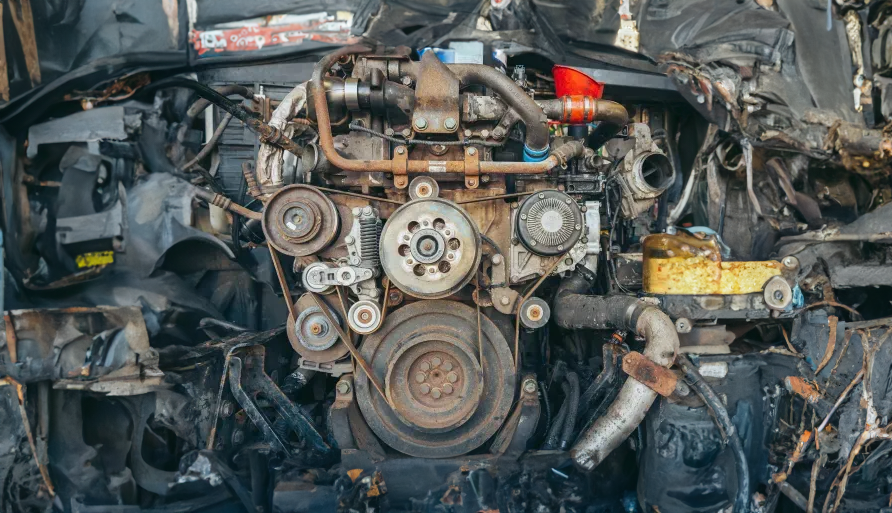
Engine Components: Check for corrosion around coolant passages and fittings.
Chassis: Check diligently for any metal wear or rust formation.
Your regular inspection should encompass an examination of all electrical connections since corrosion on such points can cause catastrophic operating problems. For fleet trucks, maintaining a good inspection schedule is even more important as these vehicles tend to have higher tendencies for corrosion due to severe conditions throughout the year.
Key Maintenance Recommendations for Diesel Truck Owners
Regular maintenance is crucial in protecting against corrosion on your diesel truck. Below are some
Oil Changes and System Checks
- Schedule consistent oil changes to prevent internal engine corrosion
- Replace fuel filters regularly to maintain system integrity
- Keep your fuel system clean and free from contamination
- Perform thorough PM (preventive maintenance) inspections
Proactive Maintenance Tasks
- Grease your truck components regularly
- Monitor and maintain proper fluid levels
- Check fuel system components for signs of wear
- Address any leaks immediately to prevent moisture accumulation
System Monitoring
- Pay attention to unusual engine sounds or performance changes
- Watch for pressure variations in your cooling system
- Maintain track of service records and schedules
- Document any repairs or replacements for future references
Your truck depends on these regular maintenance practices. All the preventive actions you take are designed to safeguard your investment against corrosion wear and prolong the life of your vehicle.
Preventive Measures for Long-Lasting Diesel Trucks
Corrosion prevention on your diesel truck needs to be proactive. Here are proven strategies to shield your investment from corrosive damage:
1. Paint Protection
- Apply primer immediately to exposed metal when paint chips appear
- Use touch-up paint matched to your truck’s color code
- Pay special attention to areas near wheel wells and undercarriage
- Inspect paint condition weekly during winter months
2. Strategic Washing Routine
- Wash your truck after each exposure to snow or road treatments
- Focus on undercarriage cleaning to remove de-icing chemicals
- Use neutralizing agents specifically designed for road treatment residue
- Pay special attention to hard-to-reach areas where chemicals can accumulate
3. Wire Protection
- Secure all exposed wires and pigtails
- Use protective coverings on electrical connections
- Keep wire harnesses properly mounted to prevent environmental exposure
- Address any loose connections immediately
Don’t forget to keep these protective measures throughout the year, upping the ante during winter seasons when corrosive factors are most common.
Overall Corrosion Problems in Diesel Trucks and How to Fight Them
Your diesel truck has corrosion threats in several areas that need your attention. Here’s what you need to watch for:
Critical Areas Prone to Corrosion:
- Exterior components and chassis
- Brake system elements
- Engine compartment parts
- Electrical connections and wiring harnesses
- Frame rails (look for flaking or swollen metal)
Engine Cooling System Concerns
A well-maintained cooling system prevents internal corrosion damage. Your coolant health directly impacts your engine’s longevity, particularly in DD15 engines, where poor coolant maintenance leads to severe internal corrosion.
Essential Coolant Monitoring Parameters:
Nitrate Levels: Indicates corrosion protection effectiveness
pH Levels: Shows the strength of corrosion inhibitors
Freezing Point: Helps prevent potential damage in cold conditions
Signs of Cooling System Issues:
- Discoloration in the coolant reservoir
- Excessive pressure in the cooling system
- Radiator corrosion
- Temperature fluctuations
Routine testing and maintenance of the coolant prevent expensive repairs. A coolant strip test can even identify likely EGR leaks and corrosion problems before they occur. Replace the coolant with new fluid and flush the entire system thoroughly with detergent to get rid of any corrosion deposits.
Tips for Buying Used Diesel Trucks: Avoiding Corrosion Pitfalls
The current used truck market is experiencing high demand with tight capacity. While this creates opportunities for buyers, it also requires extra caution during your purchase decision.
Key Market Trends to Consider:
- Fleet trucks with low inventory might have maintenance gaps, which could impact operations for those looking to start a small trucking company.
- Many rental trucks are entering the market due to driver shortages.
- It’s currently a seller’s market with competitive pricing.
Essential Inspection Points:
- Check the frame for signs of flaking or swollen metal – these indicate road treatment corrosion
- Examine fleet trucks carefully, as they often receive minimal maintenance during tough economic periods
- Look for maintenance history documentation
- Pay special attention to: chassis condition, brake components, engine compartment, and electrical systems
Red Flags to Watch For:
- Discoloration in the coolant reservoir
- Excessive pressure in the cooling system
- Signs of recent repairs without proper documentation
- Exposed wires or damaged pigtails
- Paint chips or primer spots indicate rushed repairs
Keep in mind: A good pre-purchase inspection will save you money on future repairs. If you’re buying a fleet truck, be cautious with corrosion inspections due to heavy use in severe road conditions and de-icing chemical applications. Give us a call today at (870) 635-4003!